
Mariquita Tennant

MARIQUITA TENNANT
1811 – 1860
Lived here and started her work of helping the impoverished women of Windsor
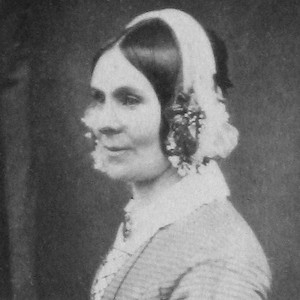
| Name: | Mariquita Dorotea Francesca Eroles |
| Born: | 1811 |
| Place: | Barcelona |
| Died: | 1860 |
| Profession: | Social Reformer |
| Educated: | Studied law in Catalonia and was supported by her first husband’s family. |
| Sponsor: | Royal Borough of Windsor and Maidenhead |
| Unveiled: | 21 Nov 2005 |
| Location: | The Limes, Mill Lane, Windsor, SL4 5JE |
| Famous for: | She married a brewer named David Reid in 1833, and her sister Rosa married Francis Beaufort Edgeworth, both in St Pancras. All four moved to Florence, but David died nine months later. She returned with a new baby to London, supported by Reid’s family. In 1834, Reid’s family supported her to return to Catalonia where she studied law. She married the Revd Robert Tennant in 1838, an Anglican pastor educated at Cambridge University. They went to Florence where he died suddenly in July 1842. Following this, she returned to the UK and moved into The Limes, which her sister owned. In mid-1849, she took in her first fallen woman and soon had 18 under her roof. Needing more space, the local rector, Revd TT Carter, provided two cottages in Nightingale Place, which became the House of Mercy. In the 1851 Census, she had a helper and 24 penitents. Due to ill health, she gave up in 1851 and moved somewhere local. Harriet Monsell, another clergy widow, took over at the House of Mercy. Mariquita is buried in the churchyard of St Andrew, Clewer. |
| Windlesora: | “Roses and Lilies – the Early Years of the Clewer Sisters” by Valerie Bonham in Windlesora 03 (1984) |
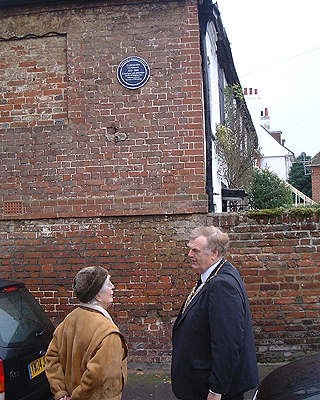
| Notes: | It was a cold and damp day when the mayor, Councillor Eric Wiles, with members of WLHG, WESOC & the Clewer Group, along with the residents of The Limes and their neighbours, unveiled the blue plaque. Some photos from the Royal Windsor Website are below. |

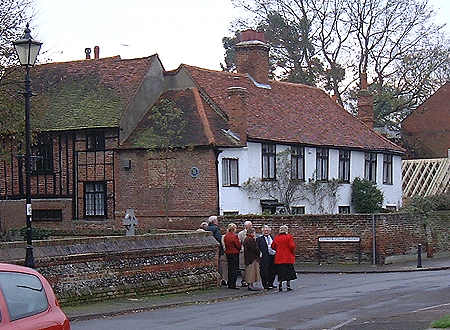
Freddie Shenston MBE

FREDDIE SHENSTON MBE
1912 – 1898
Conservationist and Founder of Windsor Heritage

| Name: | Frederick Charles Shenston MBE |
| Born: | 1 Apr 1912 |
| Place: | Camberwell, London |
| Died: | Aug 1998 |
| Profession: | Furniture retailer |
| Educated: | |
| Sponsor: | Windsor & Eton Society incorporating Windsor Heritage |
| Unveiled: | 2002 |
| Location: | Guildhall Island, Windsor, SL4 1PA |
| Famous for: | Conservationist and Founder of Windsor Heritage. Known for the High Street and the Conservation Area facelifts, which became models adopted worldwide. Chairman of the ’72 Committee. Director of various companies, including Pyle Bros, Heybourn Travel, Berkshire Bloodstock and Windsor Furnishings. Ardent critic of the Ward Royal development. |
| Windlesora: | |
| Notes: |

Mary Delany
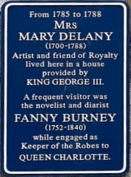
From 1785 to 1788
Mrs MARY DELANY
(1700 – 1768)
Artist and friend of Royalty lived here in a house provided by
KING GEORGE III.

| Name: | Mary Delany |
| Born: | 1700 |
| Place: | Coulston, Wiltshire |
| Died: | 1768 |
| Profession: | Artist |
| Educated: | As a child, she spent much of her time at the court of Queen Mary II and later under the guardianship of her wealthy uncle, Lord Lansdowne. Her education was unusually rich for a girl of her time, exposing her to languages, music, and art — skills that would later inform her creative work. |
| Sponsor: | Royal Borough of Windsor and Maidenhead |
| Unveiled: | 6 Jul 2007 |
| Location: | Windsor Castle Wall, St Albans Street, Windsor, SL4 1PF |
| Famous for: | Mary Delany (née Granville) was an English artist who is best remembered for her intricate “paper mosaics” and botanical drawings, although her needlework and prolific correspondence were also significant. She developed much of her artistic skill during marriage and, between the ages of 71 and 88, produced 985 works that captured fine detail and subtle variations of light and colour. She was an English Blue Stocking was well liked by King George III and Queen Charlotte, who, after the death of Delany’s second husband, offered her a house and a pension of £300 per year. |
| Windlesora: | “Jane Vigor – An Extended Article“ |
| Notes: | Please see the story of the plaque unveiling ceremony below. See “Curtain up on famous women” from the Windsor and Slough Express of 20 Jul 2007. “The Blue Stockings Society“ |
Unveiling Ceremony
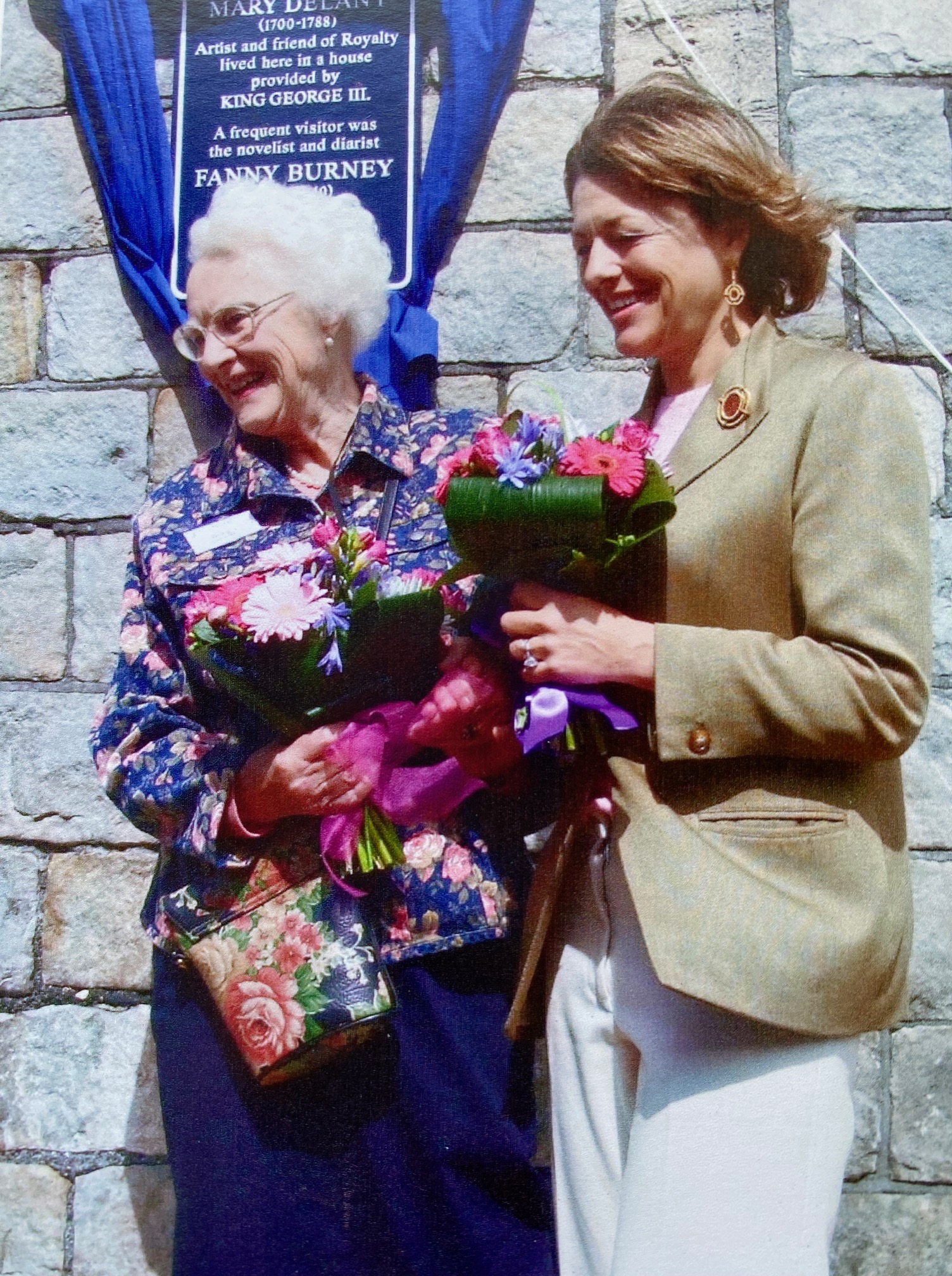
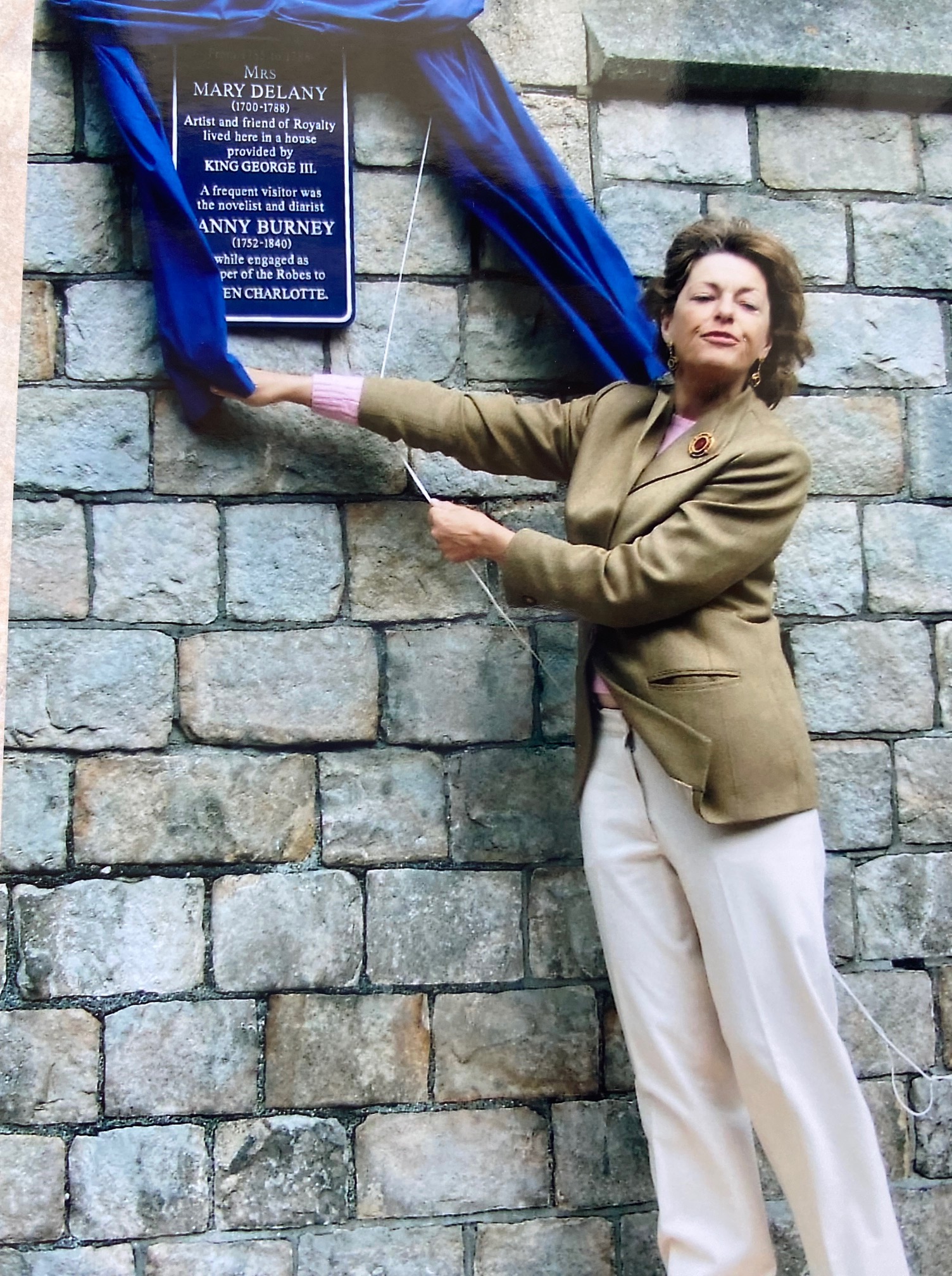
The unveiling ceremony was on Friday, 6th July 2007; however, the local historian and chair of the WLHG. Hester Davenport had collected the plaque a few days earlier and taken it home. On Friday in St Albans Street in Windsor, it was a sunny but very windy day. With Hester were:
- Daughter of the historical novelist Lady Antonia Fraser, Flora Fraser, unveiled the plaque.
- Ruth Hayden was an authority and writer on Mrs Delany (the lady with the floral-patterned blouse ).
- Professor Peter Sabor, Director of the Burney Centre at McGill University of Montreal and Patron of the Burney Society of North America (the man with the white jacket).
The unveiling coincided with the conference of the British branch of the Burney Society.


Frances ‘Fanny’ Burney
A frequent visitor was the novelist and diarist
FANNY BURNEY
(1752 – 1840)
while engaged as Keeper of the Robes to
QUEEN CHARLOTTE.
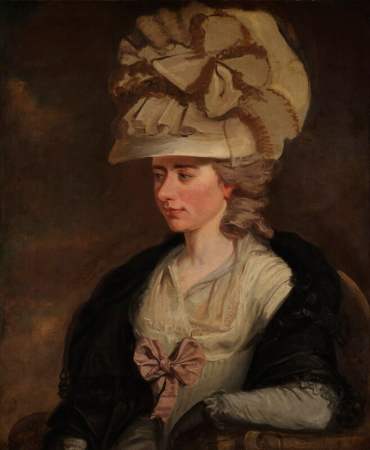
| Name: | Frances “Fanny” Burney |
| Born: | 1752 |
| Place: | King’s Lynn, Norfolk |
| Died: | 1840 |
| Profession: | Novelist and Diarist; Keeper of the Robes to Queen Charlotte. |
| Educated: | Largely educated at home by her father, Dr Charles Burney, who was a musician and writer. Her education included reading, writing, music, and languages, and she also received guidance from family friends in London after the family moved there in 1760. |
| Sponsor: | Royal Borough of Windsor and Maidenhead |
| Unveiled: | 6 Jul 2007 |
| Location: | Windsor Castle Wall, St Albans Street, Windsor, SL4 1PF |
| Famous for: | Frances “Fanny” Burney, later known as Madame D’Arblay, was a pioneering English novelist, diarist, and courtier. Celebrated for works like Evelina (1778), Cecilia (1782), and Camilla (1796), she won admiration from literary greats including Samuel Johnson, Edmund Burke, and David Garrick. Her diaries vividly record life within 18th-century literary circles and her years as Second Keeper of the Robes to Queen Charlotte (1786–91). Born in King’s Lynn and the daughter of Dr Charles Burney, she became a literary sensation with Evelina, which was so compelling that Burke reportedly read it through the night. Her influence on later writers was profound: Jane Austen admired her work and even subscribed to Camilla, while Virginia Woolf later described Burney as “the mother of English fiction”. |
| Windlesora: | “Memorial to Hester Davenport“ “Jane, Henry and the Crutchleys“, by Chris Viveash in Windlesora 28 (2012) |
| Notes: | Please see the story of the plaque unveiling ceremony above. See “Curtain up on famous women” from the Windsor and Slough Express of 20 Jul 2007. There is another plaque erected in 1885 by (Royal) Society of Arts at 11 Bolton Street, Mayfair, London, W1J 8BB. |
Oliver Brooks VC

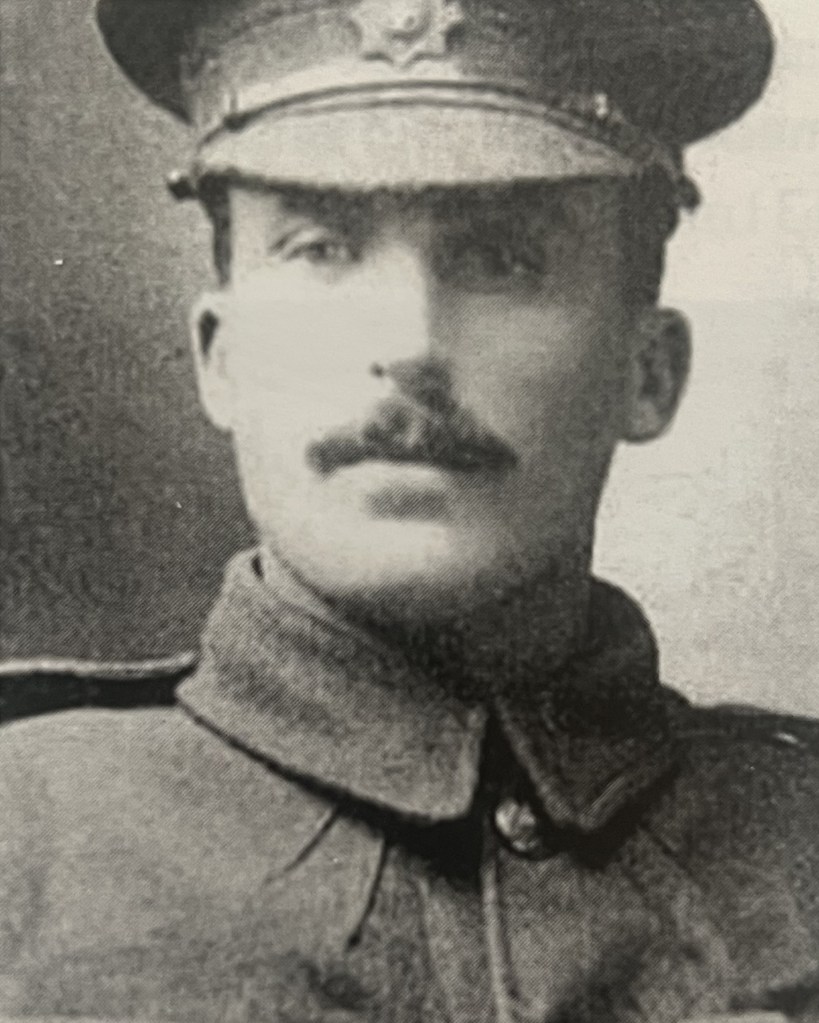
Sergeant Oliver Brooks VC
1889 – 1940
Awarded the Victoria Cross for bravery at Loos, France 1915, serving with the Coldstream Guards
Live at this house
1825 – 1940

| Name: | Oliver Brooks |
| Born: | 31 May 1889 |
| Place: | Paulton, near Midsomer Norton, Somerset |
| Died: | 25 Oct 1940 |
| Profession: | Soldier and Commissionaire |
| Educated: | St John’s School, Midsomer Norton, Somerset |
| Sponsor: | Royal Borough of Windsor and Maidenhead |
| Unveiled: | 26 May 1998 |
| Location: | 47 Clewer Avenue, Windsor, SL4 3QB |
| Famous for: | He was educated in Midsomer Norton and was then employed at Norton Hill Colliery (where his father worked) as a carting boy. He enlisted at Bath on 17th April 1906, just short of his 17th birthday, though he added two years to his age. He trained at Caterham and served at Victoria Barracks, Windsor. Awarded the Victoria Cross for bravery at Loos, France, 1915, serving with the Coldstream Guards. VC was presented 1 Nov 1915 by King George V aboard a hospital train at Aire Station, France Lived in Windsor from 1919 until he died in 1940 at home and is buried in Windsor Cemetery. He was also a commissionaire at the White Hart Hotel in Windsor. |
| Windlesora: | “Oliver Brooks VC“, by Derek Hunt in Windlesora 17 (1999). “First World War Memorial Garden“, by Derek Hunt in Windlesora 33 (2018). “Battle of the Somme“, by Derek Hunt and Dr Brigitte Mitchell in Windlesora 32 (2010) Victoria Cross Recipients |
| Notes: | Buried in Windsor Cemetery, Section GN, Grave 352, 2 down 5 across. Coldstream Guards, Guards Museum, Wellington Barracks, Birdcage Walk, London. “Oliver Brooks VC” on victoriacrossonline.co.uk |
Henry Engleheart VC
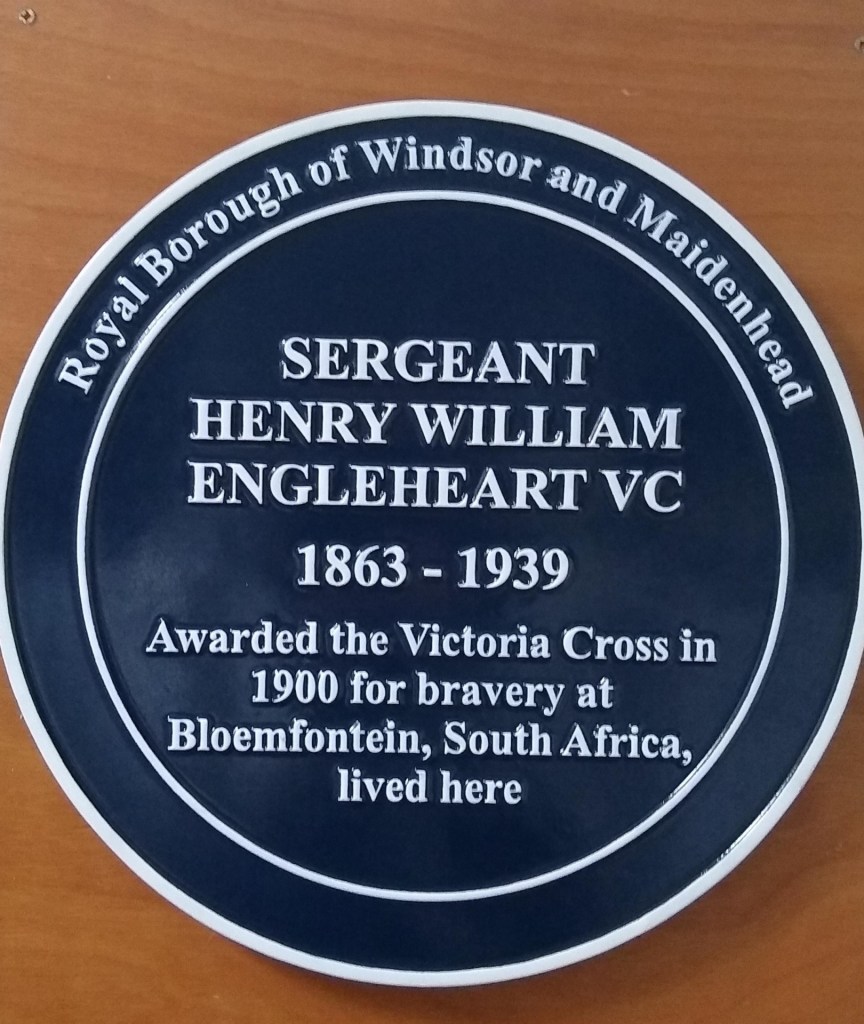
Sergeant Henry William Engleheart VC
1863 – 1939
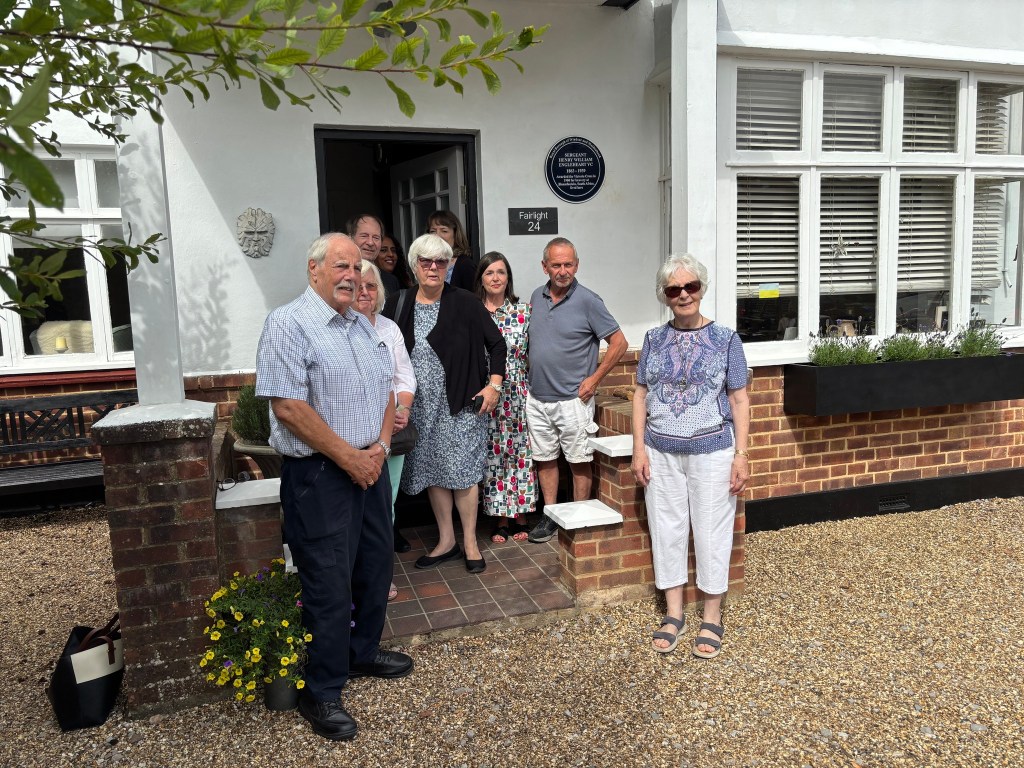
Awarded the Victoria Cross in 1900 for bravery at Bloemfoentein, South Africa, lived here.
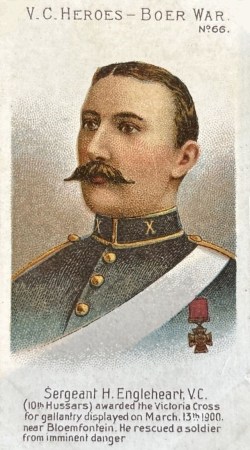
| Name: | Henry William Engleheart VC |
| Born: | 14 Nov 1863 |
| Place: | County Gaol, Maidstone |
| Died: | 9 Aug 1939 |
| Profession: | Soldier and Lodge Keeper |
| Educated: | Queen Elizabeth’s Grammar School, Barnet |
| Sponsor: | Royal Borough of Windsor and Maidenhead |
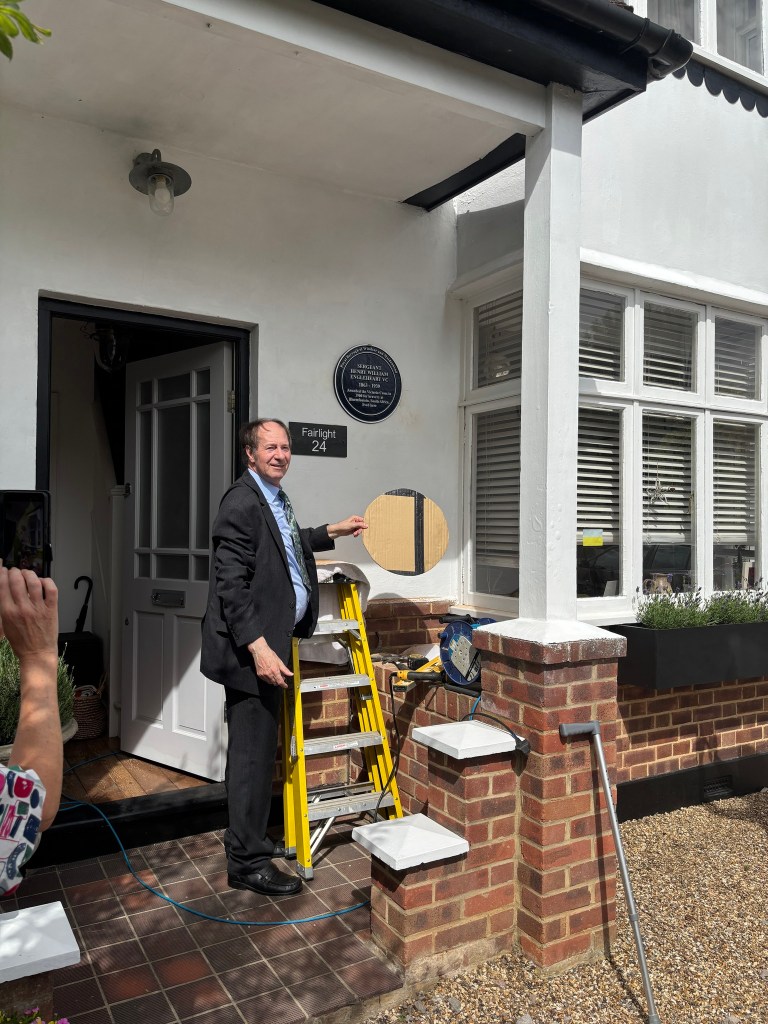
| Unveiled: | 17 Jul 2025 |
| Location: | Fairlight, Lawn Close, Datchet, SL3 9JZ |
| Famous for: | Datchet resident. The first Datchet blue plaque was erected in his name. He was the lodge keeper at the South-Western Lodge, Windsor Castle, 1908 – 1933. He was appointed vice-chairman of the Windsor Ex-Service Men’s Club and elected chairman in 1937. He also officiated at the annual show of the Berks, Bucks and Oxon Canine Association in the Home Park. |
| Windlesora: | Victoria Cross Recipients |
| Notes: | See the Windsor and Eton Express of 10 Nov 2024, the Datchet Parish Council Facebook Group and the Datchet Village Society website. |
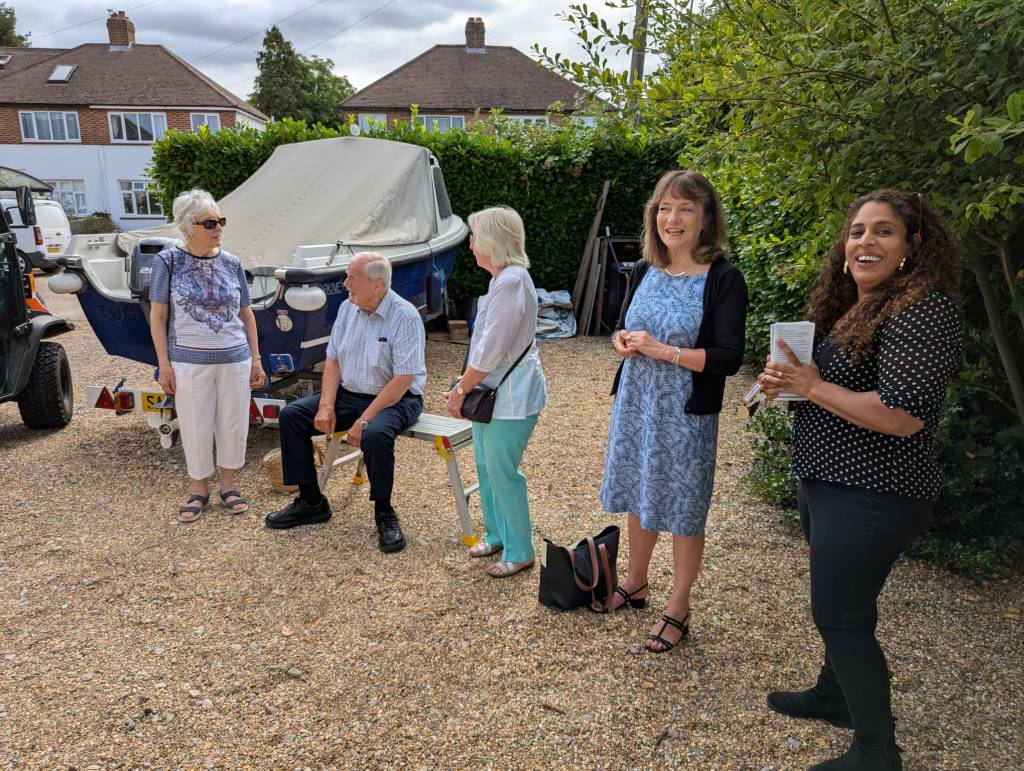
On 17 July 2025, the plaque was unveiled by local historian and WLHG member Derek Hunt and was attended by members of Datchet Village Society, including Marjorie Clasper, Glenda Croft, and Alison Crampin, along with their partners Jim Croft and Allen Corcoran.
Ralph Newbery
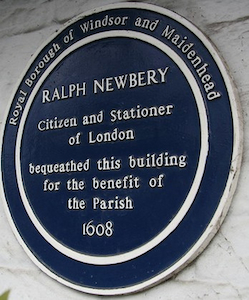
Ralph Newbery
1863 – 1939
Citizen and Stationer of London bequeathed this building for the benefit of the Parish.
1608
| Name: | Ralph Newberry |
| Born: | 1608 |
| Place: | Waltham St. Lawrence |
| Died: | 1608 |
| Profession: | Printer and publisher in Fleet Street |
| Educated: | Probably no formal education |
| Sponsor: | Royal Borough of Windsor and Maidenhead |
| Unveiled: | 7 Nov 1996 |
| Location: | The Bell Inn, Waltham St Lawrence, Maidenhead, RG10 0JJ |
| Famous for: | Ralph Newbery was born in Waltham St. Lawrence but made his career in London, where he became a Citizen and Stationer of the City of London. After achieving success in the capital, he returned to his native parish and invested in local property. In 1593 Newbery purchased the manor of Beenhams Heath in Waltham St. Lawrence. Nine years later, in 1602, he acquired a second estate, the manor of Woolley Fiennes in neighbouring White Waltham. He spent his later years living between these two manors until his death in 1608. Soon afterwards, Newbery’s son Francis carried out his father’s wishes by establishing a charitable settlement of a house and land for the benefit of the poor and needy inhabitants of Waltham St. Lawrence. The house referred to is the fine Wealden hall-house standing in front of the parish church, now known as the Bell Inn. Newbery’s descendants later lived at Feens Manor in Littlewick Green, where the family remained until 1665. |
| Windlesora: | |
| Notes: | A short biography is available on the Grokipedia website. |
Richard Dimbleby CBE
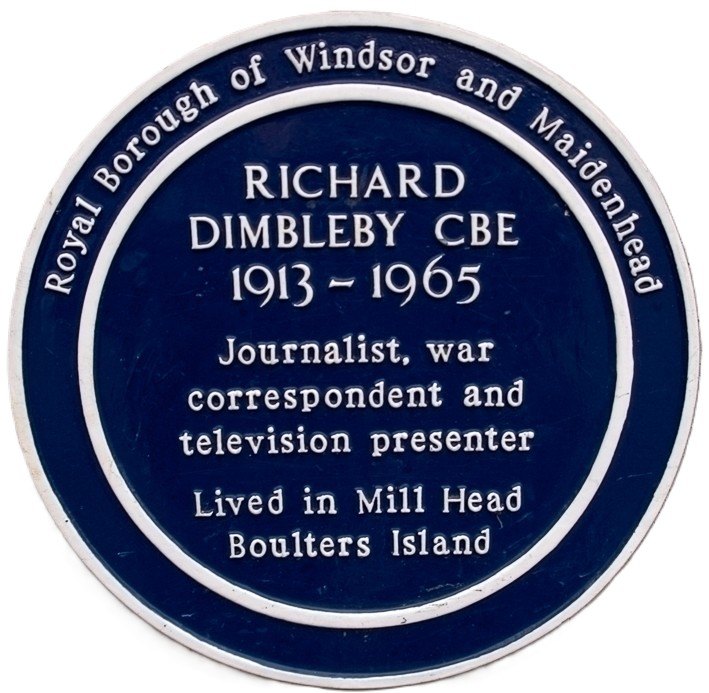
Richard Dimbleby CBE
1913 – 1965
Journalist, war correspondent and television presenter. Lived in Mill Head Boulters Island.
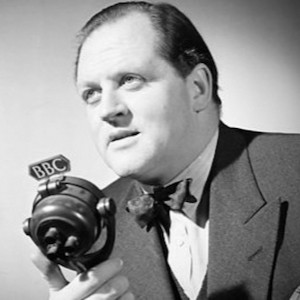
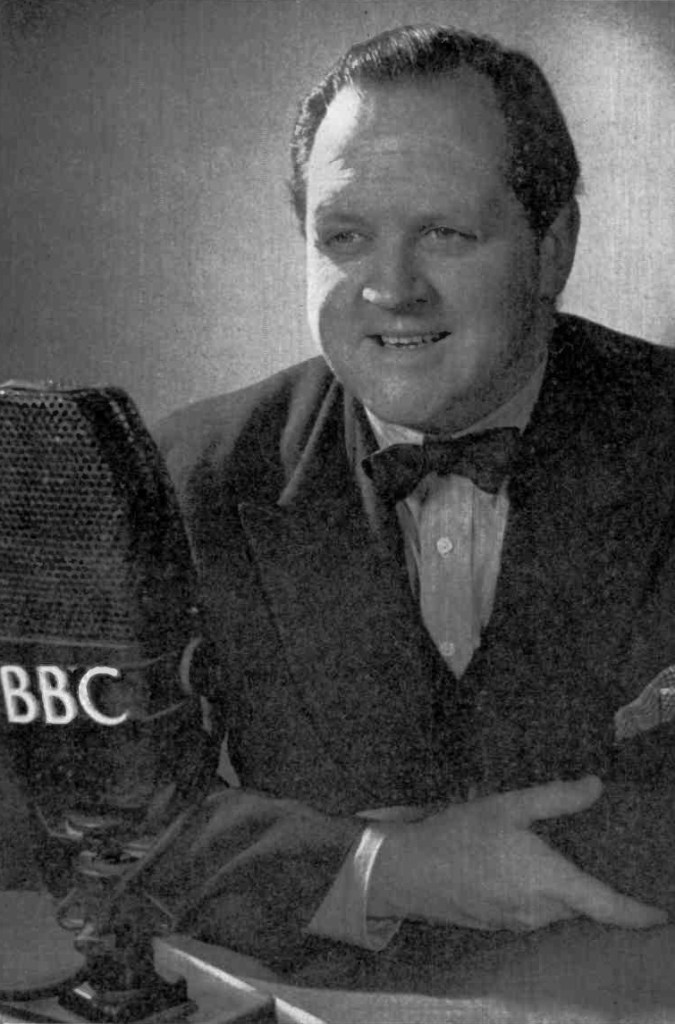
| Name: | Frederick Richard Dimbleby |
| Born: | 25 May 1913 |
| Place: | Near Richmond |
| Died: | 22 Dec 1965 |
| Profession: | Journalist and Broadcaster |
| Educated: | Mill Hill School, London |
| Sponsor: | Royal Borough of Windsor and Maidenhead |
| Unveiled: | 27 May 1997 |
| Location: | Boulters Island, Maidenhead, SL6 8JR |
| Famous for: | Richard Dimbleby (1913–1965) was one of Britain’s most influential journalists and broadcasters and a pioneering voice of the BBC. He first gained prominence as a war correspondent during the Second World War, reporting from the front lines across Europe, North Africa, and the Middle East. In 1945 he became the first journalist to broadcast from inside the concentration camp at Bergen-Belsen concentration camp, delivering a powerful eyewitness account of the conditions there. After the war, Dimbleby became a central figure in British broadcasting. He provided the BBC’s television commentary for major national events, including the Coronation of Queen Elizabeth II, and hosted the current affairs programme Panorama from 1955 until his death. Known for his authoritative voice and calm reporting style, Dimbleby helped shape modern broadcast journalism. His legacy continued through his sons, David Dimbleby and Jonathan Dimbleby, who also became prominent broadcasters, the Dimbleby Lectures and the Cancer Fund set up in his memory. Today he is remembered as a pioneer of television journalism whose reporting brought major world events directly into British homes. |
| Windlesora: | |
| Notes: | Visit the Richard Dimbleby Cancer Fund website. BBC Website – 1945: Richard Dimbleby describes Belsen. “Richard Dimbleby – Broadcaster” website by Leonard Miall (based upon the book of the same name now hosted on the World Radio History website). |
Sir Edward Henry
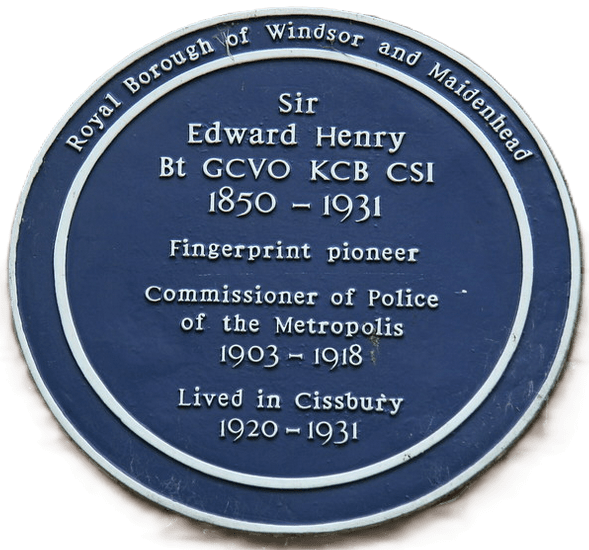
Sir Edward Henry Bt GCVO KCB CSI
1850 – 1931
Fingerprint pioneeer.
Commissioner of Police of the Metropolis
1903 – 1918
Lived in Cissbury
1920 – 1931
| Name: | Sir Edward Richard Henry, 1st Baronet GCVO KCB CSI KPM |
| Born: | 1850 |
| Place: | Shadwell, London |
| Died: | 1931 |
| Profession: | Police Officer |
| Educated: | St Edmund’s College, Ware |
| Sponsor: | Royal Borough of Windsor and Maidenhead |
| Unveiled: | 21 Apr 1997 |
| Location: | Cissbury, Windsor Road, Ascot, SL5 7JX |
| Famous for: | He was a British police officer and administrator best known for developing the modern fingerprint classification system used by police forces around the world. Born in London, Henry joined the Indian Civil Service and served in Bengal. While working in India during the 1890s, he helped refine and introduce a systematic method of identifying individuals by their fingerprints. This Henry Classification System quickly proved more reliable than earlier identification methods. Henry later returned to Britain and became Commissioner of the Metropolitan Police Service from 1903 to 1918. During his tenure, fingerprint identification was officially adopted by Scotland Yard, revolutionising criminal investigation. He continued innovation and improvements by standardising police boxes, installing phones in divisional stations, and introducing police dogs. For his contributions to policing and forensic science, he was created a baronet in 1918. His fingerprint system remained the foundation of criminal identification for much of the 20th century and influenced modern forensic practices worldwide. |
| Windlesora: | |
| Notes: |
Sir Edwin Lutyens
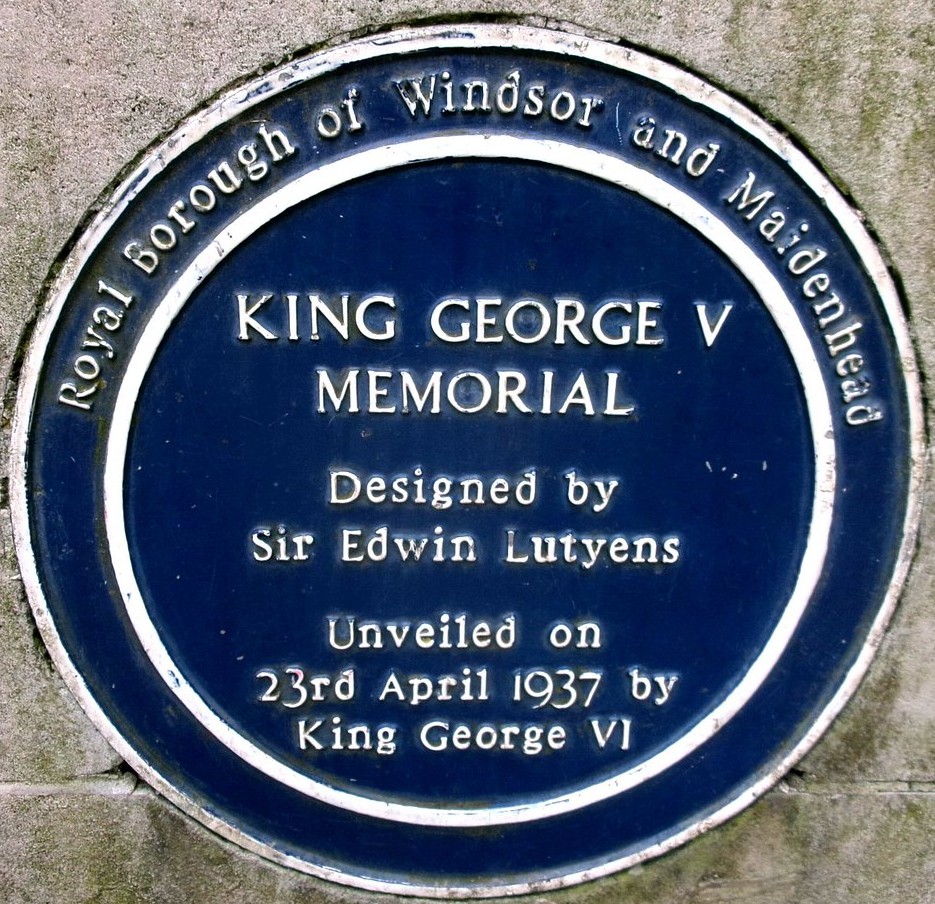
King George V Memorial
Designed by Sir Edwin Lutyens.
Unveiled on 23rd April 1937 by King George VI
| Name: | Sir Edwin Landseer Lutyens, OM, KCIE, PRA, FRIBA, LLD |
| Born: | 29 Mar 1869 |
| Place: | Kensington |
| Died: | 1 Jan 1944 |
| Profession: | Architect |
| Educated: | Royal College of Art |
| Sponsor: | Royal Borough of Windsor and Maidenhead |
| Unveiled: | 17 Jun 1997 |
| Location: | George V Memorial, Edward VII Avenue, Windsor, SL4 6HX |
| Famous for: | He was one of Britain’s most influential architects of the late 19th and early 20th centuries, renowned for combining traditional styles with innovative design. Early in his career he became famous for designing English country houses, often blending Arts and Crafts ideas with classical symmetry. His work later expanded to major public buildings and monuments, including the Cenotaph, Britain’s principal First World War memorial. Also the George V Memorial in Windsor. Lutyens masterminded the construction of Queen Mary’s Dolls’ House, which is still on display in Windsor Castle. It required 60 artists and over 250 craftsmen! Lutyens also played a central role in designing New Delhi, the new imperial capital of British India. His plan included the grand government complex centred on Rashtrapati Bhavan (formerly the Viceroy’s House), blending classical architecture with Indian influences. Knighted in 1918, Lutyens became President of the Royal Academy of Arts in 1938 and was later awarded the Order of Merit. His work remains highly regarded for its elegance, proportion, and lasting influence on British architecture. |
| Windlesora: | “1937 – Windsor’s Two Months of Majesty” by John Handcock in Windlesora 24 (2008). “ Some Windsor Memorials” by Fred Fuzzens in Windlesora 08 (1989). “Agatha Christie at Clewer Mill House” By Jane Cockman in Windlesora 38 (2024). |
| Notes: |
Henry Walford Davies
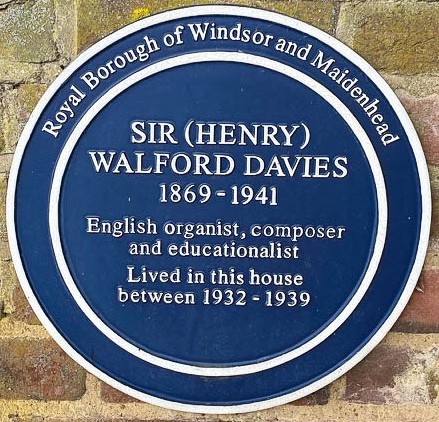
Sir (Henry) Walford Davies
1869 – 1941
English organist, composer and educationalist. Lived in this house between
1932 – 1939
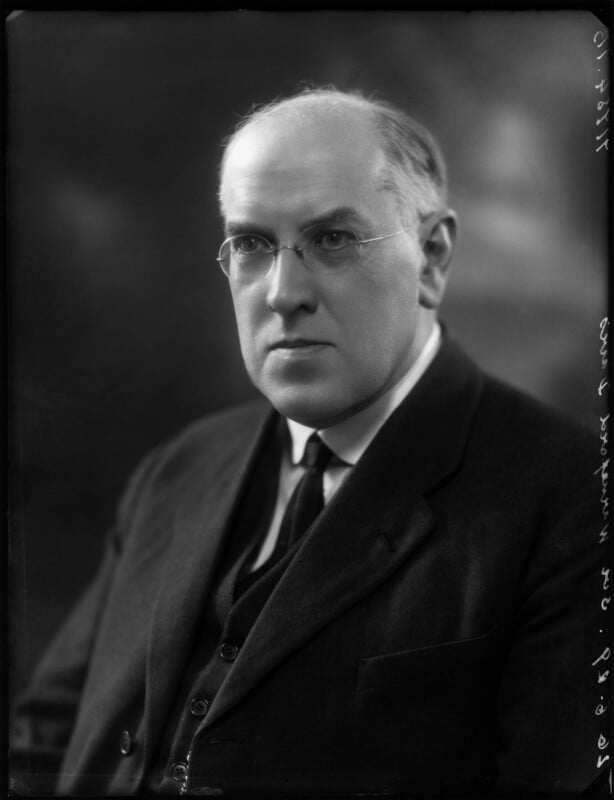

| Name: | Sir Henry Walford Davies |
| Born: | 6 Sep 1869 |
| Place: | Oswestry |
| Died: | 11 Mar 1941 |
| Profession: | Composer |
| Educated: | St. George’s Chapel then the Royal College of Music |
| Sponsor: | Royal Borough of Windsor and Maidenhead |
| Unveiled: | Apr 2004 |
| Location: | High Meadows, Church Road, Cookham Dean, SL6 9PJ |
| Famous for: | He was an English composer, organist, teacher, and broadcaster who played a significant role in British musical life in the early 20th century. Born in Oswestry, Shropshire, he was a chorister at St George’s Chapel, Windsor, and later studied at the Royal College of Music under Hubert Parry and Charles Villiers Stanford. Davies became well known for his Anglican church music and for popularising classical music through radio broadcasts with the BBC. In 1934 he succeeded Edward Elgar as Master of the King’s Music, serving under George V. His work helped bring music appreciation to a wider public audience. He held the position of Master of the King’s Musick from 1934 to 1941. During World War One he joined the Committee for Music in War Time and established the RAF bands, composing the RAF March Past. At the committal service for HM Queen Elizabeth II, Psalm 21 was sung as The Queen’s Coffin was borne through the Chapel, set to his music. |
| Windlesora: | |
| Notes: | “Oswestry Family & Local History Group” by Charles Stiles |
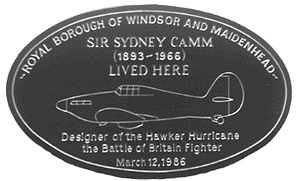
Sir Sydney Camm
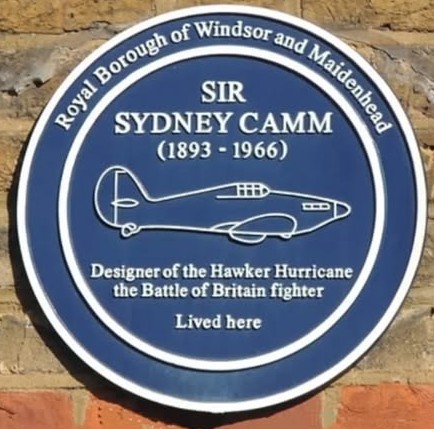
Sir Sydney Camm
1893 – 1966
Designer of the Hawker Hurricane the Battle of Britain fighter
Lived here.
| Name: | Sir Sydney Camm |
| Born: | 5 Aug 1893 |
| Place: | 10 Alma Road, Windsor |
| Died: | 1966 |
| Profession: | Aircraft Designer |
| Educated: | Royal Free School, Bachelors Acre, Windsor. |
| Sponsor: | Royal Borough of Windsor and Maidenhead |
| Unveiled: | 12 Mar 1986 |
| Location: | 10 Alma Road, Windsor, SL4 3HU |
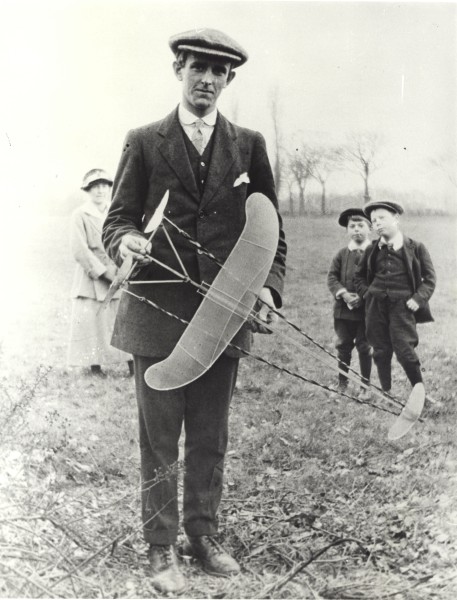
| Famous for: | Sir Sydney Camm was one of Britain’s most influential aircraft designers, whose work spanned the transformation of aviation from wood-and-fabric biplanes to advanced jet and vertical-take-off aircraft. Best known as the designer of the Hawker Hurricane, he played a pivotal role in shaping British military aviation during the twentieth century. Camm was born on 5 August 1893 in Windsor, Berkshire. The son of a carpenter, he developed an early interest in engineering and aviation, building model aircraft and studying the emerging science of flight. In 1912, he joined the Windsor Model Aeroplane Club, where his practical skills and technical understanding quickly became evident. In 1923, he joined Hawker Aircraft as a draughtsman. His talent was rapidly recognised, and by 1925, he had become the company’s chief designer. During the inter-war years he produced a series of highly successful aircraft, including the Hawker Hart and the Hawker Fury, which were among the RAF’s most advanced aircraft of their time. Camm’s most famous design, the Hawker Hurricane, first flew in 1935 and became a mainstay of the Royal Air Force during the early years of the Second World War. Hurricanes accounted for a large proportion of the enemy aircraft destroyed during the Battle of Britain, making the aircraft central to Britain’s defence in 1940. During the war, he continued to develop new fighter designs, including the powerful Hawker Typhoon and its refined successor, the Hawker Tempest. In the post-war period, Camm oversaw Hawker’s transition into the jet age with aircraft such as the Hawker Hunter, one of the most successful jet fighters of the 1950s. His final major project was the experimental Hawker P.1127, which led directly to the development of the Hawker Siddeley Harrier, the world’s first operational vertical/short take-off combat aircraft. Camm was knighted in 1953 in recognition of his services to aviation. He remained active in aircraft design for more than four decades, retiring shortly before his death on 12 March 1966. Today Sir Sydney Camm is remembered as one of the foremost aircraft designers of the twentieth century. His aircraft served in conflicts around the world, and his innovations helped shape the development of modern military aviation. Camm’s career uniquely spans four eras of aviation: 1920s → high-performance biplanes (Hart, Fury, Demon, Hind) 1930s–40s → WWII piston fighters (Hurricane, Typhoon, Tempest) 1950s → jet fighters (Sea Hawk, Hunter) 1960s → vertical take-off aircraft (P.1127, Harrier) Few designers influenced as many generations of aircraft. |
| Windlesora: | “Commemorating Sir Sidney Camm” in Windlesora 05 (1986). “Windsor Model Aero Club and the Camm Family” by Gordon Cullingham in Windlesora 14 (1995). “The ‘Russian’ Hurricane” by Malcolm Lock in Windlesora 30 (2014). “Excerpts from My Early Life” by Fred Fuzzens in Windlesora 11 (1992). |
| Notes: | “The Hurricane Memorial to Sir Sydney Camm” is on the promenade in Alexandra Gardens. “Sir Sydney Camm – House, Plaques and Memorials” on the RWWS website. “Hawker Hurricane” by the Windsor & Royal Borough Museum. “The Designer – Sir Sydney Camm” on the Hawker Restorations website. “A Short History of Sir Sydney Camm CBE” on the RWWS website. |
Some photographs of the Hurricane Memorial on the promenade in Alexandra Gardens, Windsor.
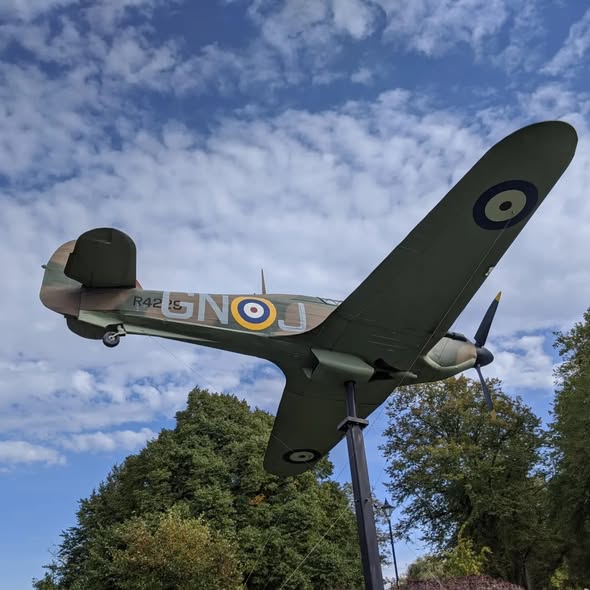
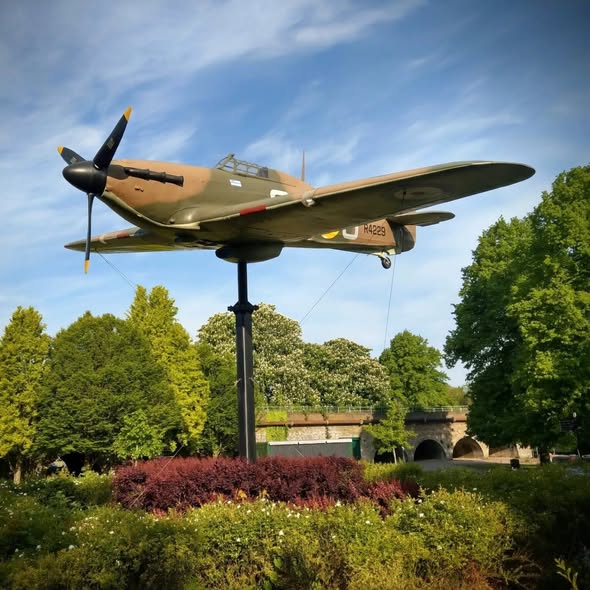
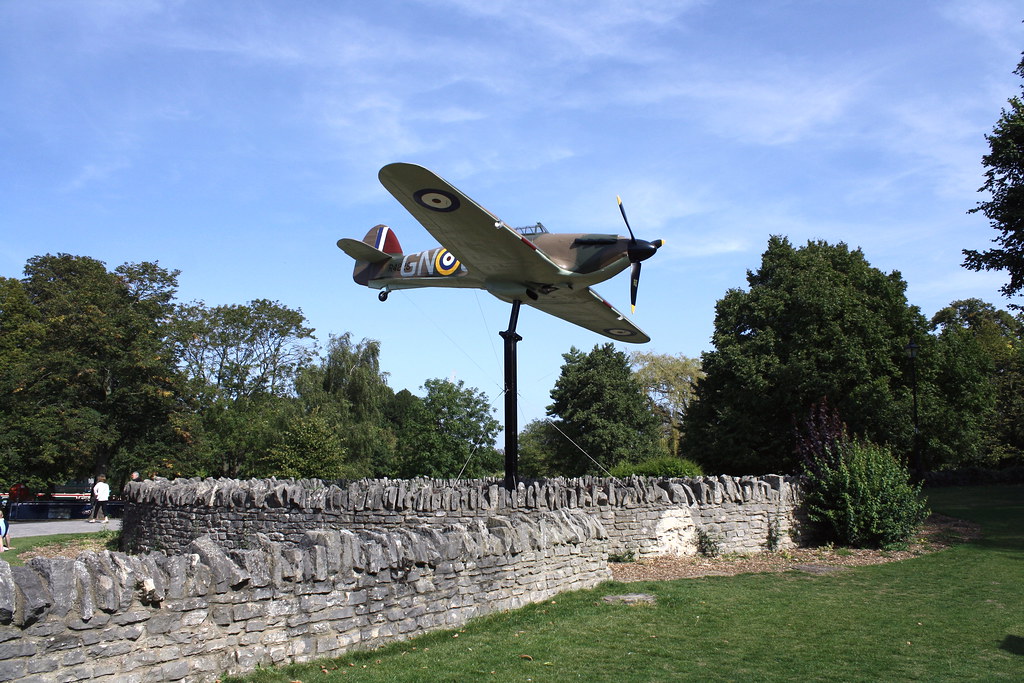
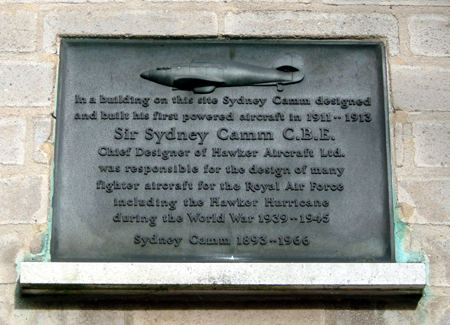
Other memorials to Camm in Windsor.
References
| Name: | |
| Born: | |
| Place: | |
| Died: | |
| Profession: | |
| Educated: | |
| Sponsor: | Royal Borough of Windsor and Maidenhead |
| Unveiled: | 6 Jul 2007 |
| Location: | |
| Famous for: | |
| Windlesora: | |
| Notes: |
“Welcome to Windsor” website [accessed 23 Aug 2025].
“Commemorative plaques” on the RBWM website [accessed 5 Aug 2025].
 Windsor Local History Group