
The Victoria Cross is the highest and most prestigious award for gallantry in the United Kingdom. It is presented to members of the British Armed Forces for acts of valour “in the presence of the enemy“. While it was previously awarded to individuals from Commonwealth countries, most of these nations have their own equivalent honours. The Victoria Cross takes precedence over all other orders, decorations and medals.

Lest we forget.
The following are listed by conflict, recognising those from the local area who have been awarded this prestigious award.
Crimean War
In 1854, the Crimean War broke out between the Russian Empire and an alliance of France, Great Britain, Sardinia and the Ottoman Empire. After the siege at Sevastopol, the Russians negotiated a peace treaty at the Congress of Paris on 30 March 1856. In January 1856, Queen Victoria introduced the VC for acts of valour during the war. 111 members of the Armed Forces were recognised.
General Lord Henry Hugh Manvers Percy VC KCB
| Name: | General Lord Henry Hugh Manvers Percy VC KCB |
| Born: | 22 Aug 1817 |
| Died: | 3 Dec 1877 |
| Unit: | 3rd Bn,. Grenadier Guards, Guards Brigade, 1st Division. |
| Date: | 5 Nov 1854 |
| Place: | Battle of Inkerman |
| Rank: | Colonel |
| Entry: | The London Gazette of 5 May 1857, Numb. 21997, p. 1578. |
| Displayed: | Alnwick Castle |
| References: | [1] |
| Connection: | Educated at Eton College |

During the Battle of Inkerman, he bravely charged into the Sand Bag Battery, followed by the Guards, despite heavy Russian musketry fire. He found himself nearly surrounded by Russians and without ammunition, but managed to extricate his men and bring them to safety under heavy fire. His actions saved around fifty men and enabled them to continue fighting. Colonel Percy received commendation from the Duke of Cambridge for his bravery.
Lieutenant-Colonel Sir Charles Russell, 3rd Baronet VC MP
| Name: | Lieutenant-Colonel Sir Charles Russell, 3rd Baronet VC MP |
| Born: | 22 Jun 1826 |
| Died: | 13 Apr 1883 |
| Unit: | 3rd Battalion Grenadier Guards, Guards Brigade, 1st Division. |
| Date: | 5 Nov 1854 |
| Place: | Battle of Inkerman |
| Rank: | Captain |
| Entry: | The London Gazette of 24 Feb 1857, Numb. 21971, p. 656. |
| Displayed: | Grenadier Guards RHQ, Wellington Barracks, London |
| References: | [2] |
| Connection: | Educated at Eton College |

“Offered to dislodge a party of Russians from the Sand-bag Battery, if any one would follow him; Sergeant Norman, Privates Anthony Palmer and Bailey (who was killed) volunteered the first. The attack succeeded.”
The London Gazette
Lieutenant General Gerald Littlehales Goodlake VC
| Name: | Lieutenant General Gerald Littlehales Goodlake VC |
| Born: | 14 May 1832 |
| Died: | 5 April 1890 |
| Unit: | 1st Battalion Coldstream Guards, Guards Brigade, 1st Division. |
| Date: | 28 Oct 1854 |
| Place: | Battle of Inkerman |
| Rank: | Major |
| Entry: | The London Gazette of 24 Feb, 1857, Numb. 21971, p. 657 |
| Displayed: | The Guards RHQ in Wellington Barracks, London, |
| References: | [3] |
| Connection: |

On October 28, 1854, he demonstrated exceptional bravery while leading the Coldstream Guards’ sharpshooters holding Windmill Ravine against a much larger enemy force, killing 38 and capturing three. Also, in November, he surprised a picket of the enemy at the bottom of the same ravine, capturing valuable enemy equipment.
Robert James Loyd-Lindsay, 1st Baron Wantage VC KCB
| Name: | Robert James Loyd-Lindsay, 1st Baron Wantage VC KCB |
| Born: | 16 Apr 1832 |
| Died: | 10 Jun 1901 |
| Unit: | 1st Battalion Scots Fusilier Guards, Guards Brigade, 1st Division. |
| Date: | 20 Sep 1854 |
| Place: | The Alma, Crimea |
| Rank: | Lieutenant |
| Entry: | The London Gazette of 24 Feb 1857, Numb. 21971, p. 657 |
| Displayed: | Not publicly held |
| References: | [4] [5] |
| Connection: | Educated at Eton College |

When the formation of the line of the Regiment was disordered at Alma, Captain Lindsay stood firm with the Colours, and by his example and energy, greatly tended to restore order. At Inkerman, at a most trying moment, he, with a few men, charged a party of Russians, driving them back, and running one through the body himself.
The London Gazette
Indian Mutiny
During the Indian Mutiny, also known as India’s First War of Independence, the Revolt of 1857, or the Sepoy Mutiny, the VC was awarded to 182 members of the British Armed Forces, the Honourable East Indies Company (HEIC), and civilians under its command. The mutiny began on May 10, 1857, in Meerut and quickly spread to other regions, including the upper Gangetic plain and central India. Major hostilities were confined to present-day Uttar Pradesh, Bihar, northern Madhya Pradesh, and the Delhi region. The rebellion posed a significant threat to Company power and was only contained with the fall of Gwalior on June 20, 1858. This rebellion led to the dissolution of the East India Company in 1858 and the reorganisation of the army, financial system, and administration in India, resulting in direct governance from London under the British Raj until 1947.
Lieutenant-General Sir Charles Fraser VC KCB
| Name: | Lieutenant-General Sir Charles Craufurd Fraser VC KCB |
| Born: | 31 Aug 1829 |
| Died: | 7 Jun 1895 |
| Unit: | 7th (The Queen’s Own) Regiment of (Light) Dragoons (Hussars) |
| Date: | 31 Dec 1858 |
| Place: | River Raptee, India |
| Rank: | Brevet Major |
| Entry: | The London Gazette of 9 Nov 1860, Numb. 22445, p. 4126 |
| Displayed: | Not publicly held |
| References: | [6] [7] |
| Connection: |
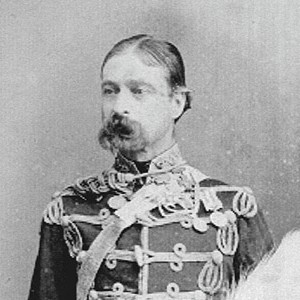
On 31 Dec 1858, he displayed exceptional bravery by volunteering to rescue Captain Stisted and some men of the 7th Hussars from drowning in the River Raptee, despite being under heavy musket fire. He successfully completed the rescue, even though he was partially disabled from a severe wound received earlier in the year. This act of gallantry occurred while pursuing rebels during the Indian Mutiny.
Clement Walker Heneage VC
| Name: | Clement Walker Heneage, VC |
| Born: | 6 Mar 1831 |
| Died: | 9 Dec 1901 |
| Unit: | 8th (The King’s Royal Irish) Regiment of (Light) Dragoons (Hussars), 2nd Brigade |
| Date: | 17 June 1858 |
| Place: | Kotah-ki-Serai, east of Gwalior |
| Rank: | Captain |
| Entry: | The London Gazette of 28 Jan 1859, Numb. 22223, p. 294 |
| Displayed: | Imperial War Museum on loan from Michael Ashcroft |
| References: | [8] [9] |
| Connection: | Educated at Eton College |

Selected for the Victoria Cross by their companions in the gallant charge made by a squadron of the Regiment at Gwalior, on the 17th of June, 1858, when, supported by a division of the Bombay Horse Artillery, and Her Majesty’s 95th Regiment, they routed the enemy, who were advancing against Brigadier Smith’s position, charged through the rebel camp into two batteries, capturing and bringing into their camp two of the enemy’s guns, under a heavy and converging fire from the Fort and Town.
The London Gazette
Frederick Sleigh Roberts, 1st Earl Roberts
| Name: | Field Marshal Frederick Sleigh Roberts, 1st Earl Roberts VC KG KP GCB OM GCSI GCIE VD PC FRSGS |
| Born: | 30 Sep 1832 |
| Died: | 14 Nov 1914 |
| Unit: | Bengal Artillery, attached Hope Grant’s Cavalry Division, Honourable East India Company Forces |
| Date: | 2 Jan 1858 |
| Place: | Khodagunge, India |
| Rank: | Lieutenant |
| Entry: | The London Gazette of 24 Dec 1858, Numb. 22212, p. 5516 |
| Displayed: | National Army Museum, London |
| References: | [10] [11] |
| Connection: | Educated at Eton College. In retirement he lived at Englemere, Ascot (1901-1914), where there was a RBWM blue plaque until the house was demolished. |

He displayed remarkable bravery on January 2, 1858, at Khodagunge by pursuing and overtaking two Sepoys carrying a standard. Despite the Sepoys turning and presenting their muskets at him, he managed to cut down the standard-bearer and take possession of the standard. On the same day, he also killed another Sepoy who was threatening a horseman with a musket and bayonet.
Francis Cornwallis Maude VC CB
| Name: | Francis Cornwallis Maude VC CB |
| Born: | 28 Oct 1828 |
| Died: | 19 Oct 1900 |
| Unit: | 3rd Company, 8th Battalion, Royal Regiment of Artillery |
| Date: | 25 Sep 1857 |
| Place: | The Advance to the Char Bagh Bridge, Lucknow, India |
| Rank: | Second Captain |
| Entry: | The London Gazette of 18 Jun 1858, Numb. 22154, p. 2957 |
| Displayed: | Not publicly held |
| References: | [59] |
| Connection: | Latter years lived in Windsor Castle and is buried in Windsor Cemetery |
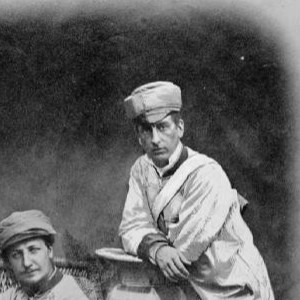
This officer steadily and cheerily pushed on with his men, and bore down the desperate opposition of the enemy, though with the loss of one-third of his Artillerymen. Sir James Outram adds, that this attack appeared to him to indicate no reckless or foolhardy daring, but the calm heroism of a true soldier, who fully appreciates the difficulties and dangers of the task he has undertaken; and that, but for Captain Maude’s nerve and coolness on this trying occasion, the Army could not have advanced. (Extract from Field Force Orders of the late Major- General Havelock, dated 17th October, 1857.)
The London Gazette
Edward Robinson VC
| Name: | Edward Robinson VC |
| Born: | 21 Dec 1838 |
| Died: | 2 Oct 1896 |
| Unit: | HMS Shannon, Naval Brigade, Royal Navy |
| Date: | 13 Mar 1858 |
| Place: | The Begum Kothi, Lucknow |
| Rank: | Able Seaman |
| Entry: | The London Gazette of 24 Dec 1858, Numb. 22212, p. 5512 |
| Displayed: | Not publicly held |
| References: | [60] [61] |
| Connection: | Latter years lived in Windsor Castle and is buried in Old Windsor Cemetery |
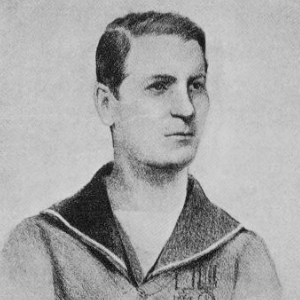
For conspicuous bravery, in having at Lucknow, on the 13th of March, 1858, under a heavy musketry fire, within fifty yards, jumped on the sand bags of a battery, and extinguished a fire among them. He was dangerously wounded in performing this service.
The London Gazette
Third China War
The Third China War, also known as the Second Opium War (1856–1860), was a conflict between Britain and France against China’s Qing Dynasty. It was sparked by disputes over trade, diplomatic rights, and the treatment of foreign nationals, particularly following the boarding of a British-registered ship, the Arrow, by Chinese officials. Britain and France used the incident to demand expanded rights and access in China.
The war saw several battles, including the capture of Canton, the Taku Forts, and the occupation of Beijing. The conflict ended with the Treaty of Tientsin (1858) and the Convention of Peking (1860), which forced China to open more ports to Western trade, legalize the opium trade, allow foreign legations in Beijing, and cede territory. The war further weakened the Qing Dynasty and expanded Western imperial influence in China.
Robert Montresor Rogers VC CB
| Name: | Robert Montresor Rogers VC CB |
| Born: | 4 Sep 1834 |
| Died: | 5 Feb 1895 |
| Unit: | 1st Battalion 44th (East Essex) Regiment of Foot |
| Date: | 21 Aug 1860 |
| Place: | The North Taku Fort, Peiho river, China |
| Rank: | Lieutenant, |
| Entry: | The London Gazette of 13 Aug 1861, Numb. 22538, p. 3363 |
| Displayed: | Imperial War Museums, London |
| References: | [62] |
| Connection: | Died in Maidenhead and buried in All Saint’s Churchyard, Maidenhead |

For distinguished gallantry in swimming the Ditches, and entering the North Taku Fort by an embrasure during the assault. They were the first of the English established on the walls of the Fort, which they entered in the order in which their names are here recorded, each one being assisted by the others to mount the embrasure.
The London Gazette
Umbeyla Expedition
The Umbeyla Expedition (Oct – Dec 1863) was a British military campaign on the North-West Frontier of India, in what is now Khyber Pakhtunkhwa, Pakistan. It was launched to suppress the growing influence of the Hindustani Fanatics, a militant Islamic group based in Sitana, who, along with local Pashtun tribes, were resisting British control. Led initially by Major General Sir Neville Chamberlain, the British forces attempted to advance through the difficult terrain of the Umbeyla Pass. The operation faced fierce tribal resistance, and Chamberlain was seriously wounded, requiring General Garvock to assume command. Despite the harsh conditions and determined opposition, the British eventually captured and destroyed the enemy stronghold.
Though the expedition ended in a British victory, it came at a high cost—over 1,000 British and Indian troops were killed or wounded. While it temporarily scattered the Sitana Fanatics and secured the strategic pass, the long-term control of the frontier region remained tenuous. The campaign underscored the challenges Britain faced in imposing authority over the fiercely independent and often hostile tribal areas along the border.
Lieutenant Colonel George Vincent Fosbery VC
| Name: | Lieutenant Colonel George Vincent Fosbery VC |
| Born: | 1 Apr 1832 |
| Died: | 8 May 1907 |
| Unit: | 4th Bengal (European Regiment) attached to 104th Regiment (Bengal Fusiliers) |
| Date: | 30 Oct 1863 |
| Place: | Crag Picket, Ambala Pass, India |
| Rank: | Lieutenant |
| Entry: | The London Gazette of 7 Jul 1865, Numb. 22988, p. 3425 |
| Displayed: | Imperial War Museums, London |
| References: | [12] |
| Connection: | Educated at Eton College |

On October 30, 1863, acting as a volunteer, he led a party to recapture the Crag Picquet after its garrison had been driven in by the enemy, resulting in sixty casualties in hand-to-hand combat. Despite the challenging terrain, he advanced with great coolness and intrepidity, being the first to reach the top of the Crag on his side of the attack. After Lieutenant-Colonel Keyes was wounded, Fosbery assembled a party to pursue the routed enemy, inflicting further losses and securing the post.
Second Anglo-Afghan War
The Second Anglo-Afghan War (1878–1880) was fought between the British Empire and the Emirate of Afghanistan, sparked by British fears of growing Russian influence in the region. When the Afghan ruler refused to accept a British envoy, British forces invaded, quickly capturing key cities including Kabul and Kandahar. Although the British initially imposed a treaty and installed a friendly ruler, widespread Afghan resistance led to renewed fighting. The war ended with the British withdrawing but securing control over Afghanistan’s foreign policy, making it a buffer state between British India and the Russian Empire. The war highlighted the challenges of imperial intervention in Afghanistan’s fiercely independent tribal society.
Colonel Sir Arthur George Hammond VC KCB DSO
| Name: | Colonel Sir Arthur George Hammond VC KCB DSO |
| Born: | 28 Sep 1843 |
| Died: | 20 Apr 1919 |
| Unit: | Queen’s Own Corps of Guides, Punjab Frontier Force (Infantry), Indian Army |
| Date: | 14 Dec 1879 |
| Place: | The Asmai Heights, Kabul |
| Rank: | Captain |
| Entry: | The London Gazette of 18 Oct 1881, Numb. 25027, p. 5140 |
| Displayed: | Imperial War Museums, London |
| References: | [62] |
| Connection: | Said to have lived in Windsor in later life (check info as may have been Camberley) |
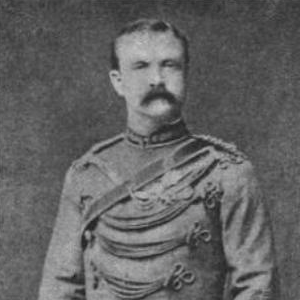
For conspicuous coolness and gallantry at the action on the Asmai Heights, near Kabul, on the 14 Dec 1879, in defending the top of the hill with a rifle and fixed bayonet, against large numbers of the enemy, while the 72nd Highlanders and Guides were retiring; and again, on the retreat down the hill, in stopping to assist in carrying away a wounded Sepoy, the enemy being not sixty yards off, firing heavily all the time
Zulu War
The Anglo-Zulu War of 1879 was a conflict between the British Empire and the Zulu Kingdom in southern Africa. The war began when Lord Chelmsford, issued an ultimatum to the Zulu king Cetshwayo, demanding the disbandment of his army and acceptance of British authority. When Cetshwayo refused, British forces invaded Zululand in January 1879. Early in the campaign, the British suffered a shocking defeat at the Battle of Isandlwana, where over 1,300 British and colonial troops were killed..
Despite this setback, the British regrouped and launched a second, more organised invasion. After a series of battles – including the famous defence of Rorke’s Drift, where a small British force held off thousands of Zulu warriors – they eventually defeated the Zulu at the Battle of Ulundi in July 1879. Cetshwayo was captured, and the Zulu Kingdom was effectively dismantled and placed under British control. The war marked the end of Zulu independence and was part of Britain’s broader imperial expansion in southern Africa.
General Sir Redvers Henry Buller, VC, GCB, GCMG
| Name: | General Sir Redvers Henry Buller, VC, GCB, GCMG |
| Born: | 7 Dec 1839 |
| Died: | 2 Jun 1908 |
| Unit: | 60th ( The King’s Royal Rifle Corps) Regiment of Foot |
| Date: | 28 Mar 1879 |
| Place: | Hlobane Mountain, Zululand |
| Rank: | Brevet Lieutenant Colonel |
| Entry: | The London Gazette of 17 Jun 1879, Numb. 24734, p. 3966 |
| Displayed: | The Royal Green Jackets (Rifles) Museum in Winchester |
| References: | [13] [14] |
| Connection: | Educated at Eton College |

Colonel Buller displayed exceptional bravery during the retreat at Inhlobana on March 28, 1879. He rescued Captain C. D’Arcy and Lieutenant C. Everitt of the Frontier Light Horse, carrying them on separate occasions to safety on his horse while being pursued by Zulus. Later, he saved a trooper whose horse was exhausted, preventing him from being killed by the Zulus who were close behind.
Lieutenant-Colonel Lord William Leslie de la Poer Beresford VC KCIE
| Name: | Lieutenant-Colonel Lord William Leslie de la Poer Beresford VC KCIE |
| Born: | 20 Jul 1847 |
| Died: | 28 Dec 1900 |
| Unit: | 9th (The Queen’s Royal) Lancers |
| Date: | 3 Jul 1879 |
| Place: | Near Ulundi, Zululand |
| Rank: | Captain |
| Entry: | The London Gazette of 9 Sep 1879, Numb. 24760, p. 5395 |
| Displayed: | Held by the Beresford family |
| References: | [15] |
| Connection: | Educated at Eton College |

For gallant conduct in having at great personal risk, during the retirement of the reconnoitering party across the “White Umvolosi River” on 3rd July last, turned to assist Sergeant Fitzmaurice, 1st Battalion 24th Foot (whose horse had fallen with him), mounted him behind him on his horse, and brought him away in safety under the close fire of the Zulus who were in great force, and coming on quickly. Lord Beresford’s position was rendered most dangerous from the fact that Fitzmaurice twice nearly pulled him from his horse.
The London Gazette
Sudan Campaign
The British Empire’s Sudan Campaign refers to a series of military operations in the late 19th and early 20th centuries, primarily aimed at crushing the Mahdist uprising and reasserting control over Sudan. The conflict began in the early 1880s when Muhammad Ahmad declared himself the Mahdi (a messianic figure in Islam) and led a revolt against Egyptian and British rule. In 1885, the Mahdists captured Khartoum and killed British General Charles Gordon, causing a major shock in Britain.
After more than a decade of Mahdist rule, Britain launched a reconquest of Sudan under General Herbert Kitchener. The key campaign took place from 1896 to 1898, culminating in the decisive Battle of Omdurman in September 1898, where Kitchener’s modern, well-armed army defeated the Mahdist forces, killing thousands. This victory restored Anglo-Egyptian control over Sudan and led to the establishment of the Anglo-Egyptian Condominium, effectively placing Sudan under joint British and Egyptian rule. The campaign demonstrated British military dominance and further expanded the British Empire in Africa.
Admiral of the Fleet Sir Arthur Knyvet Wilson VC GCB OM GCVO
| Name: | Arthur Knyvet Wilson, 3rd Bart, VC GCB OM GCVO |
| Born: | 4 Mar 1842 |
| Died: | 25 May 1921 |
| Unit: | HMS Hecla, Naval Brigade, Royal Navy |
| Date: | 29 Feb 1884 |
| Place: | El-Teb, Sudan |
| Rank: | Captain |
| Entry: | The London Gazette of 20 May 1884, Numb. 25356, p. 2277 |
| Displayed: | Royal Navy Museum, Portsmouth |
| References: | [16] [17] |
| Connection: | Educated at Eton College |
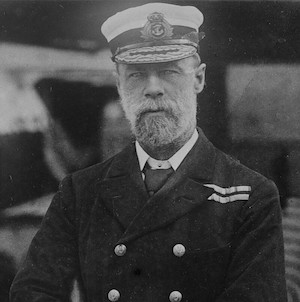
Captain Wilson, on the staff of Rear-Admiral Sir William Hewett, took the place of the mortally wounded Lieutenant Royds during the Battle of El-Teb on February 29th. As the troops advanced, he engaged in single combat with the enemy to protect his detachment until reinforcements arrived. Despite being wounded, Captain Wilson remained with the half battery throughout the day.
Major William Mordaunt Marsh Edwards, VC, DL
| Name: | Major William Mordaunt Marsh Edwards, VC, DL |
| Born: | 7 May 1855 |
| Died: | 17 Sep 1912 |
| Unit: | 2nd Battalion The Highland Light Infantry |
| Date: | 13 Sep 1882 |
| Place: | Tel-el-Kebir, Egypt |
| Rank: | Lieutenant |
| Entry: | The London Gazette of 13 Feb 1883, Numb. 25198, p. 792 |
| Displayed: | Imperial War Museum |
| References: | [18] |
| Connection: | Educated at Eton College |

For conspicuous bravery displayed by him during the battle of Tel-el-Kebir, on the 13th September, 1882, in leading a party of the Highland Light Infantry to storm aredoubt. Lieutenant Edwards(who wasin advance of his party) with great gallantry rushed alone into the battery, killed the Artillery Officer in charge,and was himself knocked down by a gunner with a rammer, and only rescued by the timely arrival of three men of his Regiment.
The London Gazette
Brigadier General Alexander Hore-Ruthven, 1st Earl of Gowrie
| Name: | Alexander Gore Arkwright Hore-Ruthven, 1st Earl of Gowrie, VC, GCMG, CB, DSO & Bar, KStJ, PC |
| Born: | 6 Jul 1872 |
| Died: | 2 May 1955 |
| Unit: | 3rd Battalion The Highland Light Infantry, attached to the Camel Corps, Egyptian Army |
| Date: | 22 Sep 1898 |
| Place: | Gedaref, Sudan |
| Rank: | Captain |
| Entry: | The London Gazette of 28 Feb 1899, Numb. 27057, p. 1254 |
| Displayed: | Imperial War Museums, London |
| References: | [19] [20] |
| Connection: | Windsorian and educated at Eton College. Blue plaque at The Hermitage, Windsor. He was also Deputy Constable and Lt Governor of Windsor Castle, 1945 – 1953. |
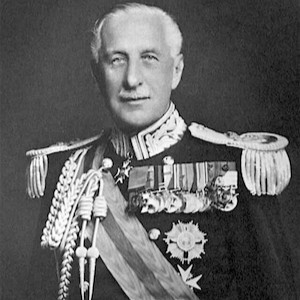
On the 22nd Sep 1898, during the action of Gedarif, Captain Hore-Ruthven, seeing an Egyptian officer lying wounded within 50 yards of the advancing Dervishes, who were firing and charging, picked him up and carried him towards the 16th Egyptian Battalion. He dropped the wounded officer two or three times, and fired upon the Dervishes, who were following, to check their advance. Had the officer been left where he first dropped, he must have been killed.
The London Gazette
Malakand Campaign
The Malakand Campaign was a British military operation in 1897 on the North-West Frontier of British India, in what is now northern Pakistan. It was launched in response to a major uprising by local Pashtun tribes, inspired by a religious leader known as the Mad Mullah of Swat (Sayyid Ahmad). The tribes attacked British garrisons at Malakand and Chakdara, threatening British control in the region.
British forces, under Sir Bindon Blood, launched a relief expedition to suppress the revolt and restore order. Fierce fighting followed in the rugged terrain, but the British eventually secured the area after several weeks of conflict. A young Winston Churchill, then a cavalry officer and war correspondent, took part in the campaign and later wrote about it. The Malakand Campaign was part of a broader series of frontier wars that highlighted the difficulties the British faced in controlling the fiercely independent tribal regions along the Afghan border.
Alexander Edward Murray, 8th Earl of Dunmore (1871–1962)
| Name: | Alexander Edward Murray, , 8th Earl of Dunmore, Viscount Fincastle, VC DSO MVO DL |
| Born: | 22 Apr 1871 |
| Died: | 29 Jan 1962 |
| Unit: | 16 (Queen’s) Lancers |
| Date: | 17 Aug 1897 |
| Place: | Malakand Frontier War, Upper Swat Valley, India |
| Rank: | Lieutenant |
| Entry: | The London Gazette of 9 November 1897, Numb. 26908, p. 6143 |
| Displayed: | Not publicly held. |
| References: | [21] [22] |
| Connection: | Educated at Eton College. |

During the fighting at Nawa Kili in Upper Swat on August 17, 1897, Lieutenant-Colonel R. B. Adams, along with Lieutenants H. L. S. MacLean and Viscount Fincastle, and five men of the Guides, went under heavy fire to rescue Lieutenant R. T. Greaves of the Lancashire Fusiliers 1. Unfortunately, Lieutenant Greaves was killed by a bullet while being brought under cover, and Lieutenant MacLean was mortally wounded. Additionally, the horses of Lieutenant-Colonel Adams and Lieutenant Viscount Fincastle, as well as two troop horses, were shot.
Boer War
The Boer War, also known as the Second Anglo-Boer War (1899–1902), was a conflict between the British Empire and the two independent Boer republics: the South African Republic (Transvaal) and the Orange Free State. The war was triggered by tensions over British imperial ambitions, control of rich gold mines in the Transvaal, and Boer resistance to British influence.
The war began with early Boer successes, but the British responded with a massive troop buildup. After capturing key Boer cities like Bloemfontein and Pretoria, the conflict turned into a prolonged guerrilla war. The British used harsh tactics to suppress Boer resistance, including a scorched-earth policy and placing civilians in concentration camps, where many died from disease and poor conditions. The war ended in 1902 with the Treaty of Vereeniging, which brought the Boer republics under British control. The conflict marked a turning point in British imperial policy and set the stage for the creation of the Union of South Africa in 1910.
Brigadier General Charles FitzClarence, VC
| Name: | Brigadier General Charles FitzClarence, VC |
| Born: | 8 May 1865 |
| Died: | 12 Nov 1914 |
| Unit: | The Royal Fusiliers (City of London Regiment), attached to D Squadron, The Protectorate Regiment |
| Date: | 14 Oct 1899 |
| Place: | Near Mafeking, Cape Colony, South Africa |
| Rank: | Captain |
| Entry: | The London Gazette of 6 Jul 1900, Numb. 27208, p. 4196 |
| Displayed: | Imperial War Museums, London |
| References: | [23] [24] |
| Connection: | Educated at Eton College |
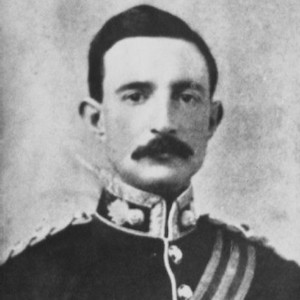
On 14 Oct 1899, he led his squadron of the Protectorate Regiment to assist an armoured train from Mafeking, successfully relieving it and inflicting heavy losses on the Boers. On 27 Oct 1899, he led a night attack on an enemy trench, driving the enemy out with significant losses and personally accounting for four enemies. Major General Baden-Powell praised his extraordinary spirit and fearlessness, stating that without it, the attacks would have failed. On 26 Dec 1899, during the action at Game Tree, he again distinguished himself by his coolness and courage, despite being severely wounded.
Henry William Engleheart VC
| Name: | Henry William Engleheart VC |
| Born: | 14 Nov 1863 |
| Died: | 9 Aug 1939 |
| Unit: | 10th (Prince of Wales’s Own Royal) Hussars |
| Date: | 13 Mar 1900 |
| Place: | North of Bloemfontein, Orange Free State, |
| Rank: | Sergeant |
| Entry: | The London Gazette of 5 Oct 1900, Numb. 27235, p. 6126 |
| Displayed: | The King’s Royal Hussars Museum, Winchester |
| References: | [63] [64] |
| Connection: | Datchet resident. First Datchet blue plaque was erected in his name. He was the lodge keeper at the South-Western Lodge, Windsor Castle, 1908-1933. |

On 13 Mar 1900, a party of soldiers had to charge through a Boer picquet and cross four deep spruits to return through the Boer lines. Sapper Webb’s horse failed at the fourth spruit, leaving him in a dangerous position, but Sergeant Engleheart returned under heavy fire to assist Webb and his horse, successfully getting them back to safety. Earlier, Engleheart had also shown great bravery by charging into the first spruit, which was full of Boers, preventing them from rallying and overwhelming the small British party.
Somaliland Campaign
The Somaliland Campaign refers to a series of military expeditions by the British Empire between 1900 and 1920 in British Somaliland (present-day Somalia), aimed at suppressing a rebellion led by Sayyid Mohammed Abdullah Hassan, often called the “Mad Mullah” by the British. Hassan led a strong anti-colonial movement, uniting various Somali clans under a religious and nationalist cause against British, Italian, and Ethiopian forces.
The campaign saw several phases of fighting, with the Dervish forces (as Hassan’s followers were known) launching repeated attacks on British outposts and supply lines. Despite multiple British expeditions, the Dervishes proved difficult to defeat due to their mobility and knowledge of the harsh terrain. The turning point came in 1920, when the British launched a combined ground and aerial assault, including the first use of airpower in Africa. Hassan’s stronghold at Taleh was bombed and destroyed, leading to the collapse of his movement. The campaign highlighted the challenges of colonial control in remote regions and the increasing role of modern technology in warfare.
Major-General Sir John Gough VC KCB CMG
| Name: | Brigadier-General Sir John Edmond Gough VC KCB CMG |
| Born: | 25 Oct 1871 |
| Died: | 22 Feb 1915 |
| Unit: | 2nd Battalion The Rifle Brigade (The Prince Consort’s Own), attached to the Berbera Column |
| Date: | 22 Apr 1903 |
| Place: | Daratoleh, Somaliland |
| Rank: | Major |
| Entry: | The London Gazette of 15 January 1904, Numb. 27636, p. 331 |
| Displayed: | Royal Green Jackets Museum, Winchester |
| References: | [25] |
| Connection: |

During the action at Daratoleh, on 22nd April last, Major Gough assisted Captains Walker and Rolland in carrying back the late Captain Bruce (who had been mortally wounded)and preventing that Officer from falling into the hands of the enemy. Captains Walkerand Rolland have already been awarded the Victoria Cross for their gallantry on this occasion, but Major Gough (who was in command of the column) made no mention of his own conduct, which has only recently been brought to notice.
The London Gazette
First World War
The First World War (1914–1918) was a global conflict primarily fought between the Allied Powers (including Britain, France, and Russia) and the Central Powers (mainly Germany, Austria-Hungary, and the Ottoman Empire). Sparked by the assassination of Archduke Franz Ferdinand of Austria, the war quickly escalated due to complex alliances and rivalries. Much of the fighting took place in Europe, particularly on the Western Front, where trench warfare led to massive casualties and a stalemate. New technologies like machine guns, tanks, and poison gas made the war especially deadly. The conflict ended with the defeat of the Central Powers, the collapse of empires, and the Treaty of Versailles in 1919, which imposed harsh terms on Germany. The war caused over 16 million deaths and reshaped the political map of the world.
Brigadier General John Vaughan Campbell, VC CMG DSO
| Name: | Brigadier General John Vaughan Campbell, VC, CMG, DSO |
| Born: | 31 Oct 1876 |
| Died: | 21 May 1944 |
| Unit: | 3rd Battalion Coldstream Guards, 1st Guards Brigade |
| Date: | 15 Sep 1916 |
| Place: | Near Ginchy, France |
| Rank: | Temporary Lieutenant Colonel |
| Entry: | The London Gazette of 24 Oct 1916, Numb. 29802, p. 10393 |
| Displayed: | Royal Artillery Museum, London |
| References: | [26] |
| Connection: | Educated at Eton College |

During an attack, the first two waves of the battalion were decimated by machine gun and rifle fire. He took personal command of the third line, rallied his men, and led them to capture the enemy machine guns and kill the personnel. His gallantry and initiative turned the tide of the battle, allowing the division to capture critical objectives
George Arthur Boyd-Rochfort VC
| Name: | George Arthur Boyd-Rochfort VC |
| Born: | 1 Jan 1880 |
| Died: | 7 Aug 1940 |
| Unit: | The 1st Battalion Scots Guards, 4th (Guards) Brigade, 2nd Division. |
| Date: | 3 Aug 1915 |
| Place: | Between Cambrin and La Bassée, France |
| Rank: | Second Lieutenant |
| Entry: | The London Gazette of 31 August 1915. 1 September 1915, Numb. 29281, p. 8700 |
| Displayed: | The Scots Guards RHQ in Wellington Barracks, London |
| References: | [27] [28] |
| Connection: | Educated at Eton College |
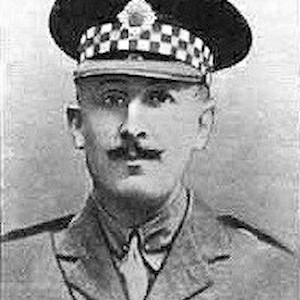
or most conspicuous bravery in the trenches between Cambrin and La Bassee on 3rd August, 1915. At 2 a.m. a German trench mortar bomb landed on the side of the parapet of the communication trench in which he stood, close to a small working party of his Battalion. He might easily have stepped back a few yards round the corner into perfect safety, but, shouting to his men to look out, he rushed at the bomb, seized it and hurled it over the parapet, where it at once exploded. There is no doubt that this splendid combination of presence of mind and courage saved the lives of many of the working party.
The London Gazette
Francis Octavius Grenfell, VC
| Name: | Francis Octavius Grenfell, VC |
| Born: | 4 Sep 1880 |
| Died: | 24 May 1915 |
| Unit: | 9th (Queen’s Royal) Lancers, 1st Cavalry Brigade, Cavalry Division |
| Date: | 24 Aug 1914 |
| Place: | Elouges and Audregnies, Belgium |
| Rank: | Captain |
| Entry: | The London Gazette of 13 Nov 1914, Numb. 28976,p. 9373. |
| Displayed: | Regimental Museum of the 9th/12th Royal Lancers housed in Derby Museum and Art Gallery |
| References: | [29] [30] |
| Connection: | Educated at Eton College |

For gallantry in action against unbroken infantry at Andregnies, Belgium, on 24th August, 1914, and for gallant conduct in assisting to save the guns of the 119th Battery, Royal Field Artillery, near Doubon the same day.
The London Gazette
Arthur Hugh Henry Batten-Pooll VC MC
| Name: | Arthur Hugh Henry Batten-Pooll VC MC |
| Born: | 25 Oct 1891 |
| Died: | 21 Jan 1971 |
| Unit: | 3rd Battalion The Royal Munster Fusiliers |
| Date: | 25 Jun 1916 |
| Place: | Cité Calonne, France |
| Rank: | Lieutenant |
| Entry: | The London Gazette of 4 Aug 1916, Numb. 29695, p. 7743 |
| Displayed: | National Army Museum, London. |
| References: | [31] [32] |
| Connection: | Educated at Eton College |

He displayed exceptional bravery while leading a raiding party. Despite being severely wounded by a bomb that mutilated his right hand, he continued to direct operations with unflinching courage, cheering on and directing his men. Even after receiving two more wounds while assisting in the rescue of other wounded men. He refused assistance and walked unaided until he fainted and was carried in by the covering party.
William La Touche Congreve VC DSO MC
| Name: | William La Touche Congreve VC DSO MC |
| Born: | 12 Mar 1891 |
| Died: | 20 Jul 1916 |
| Unit: | 3rd Battalion The Rifle Brigade (Prince Consort’s Own), 76th Brigade, 3rd Division |
| Date: | 20 Jul 1916 |
| Place: | Longueval, France |
| Rank: | Brevet Major |
| Entry: | The London Gazette of 24 October 1916. 26 October 1916, Numb. 29802, pp. 10393-94 |
| Displayed: | Royal Green Jackets (Rifles) Museum, Winchester |
| References: | [33] |
| Connection: | Educated at Eton College |
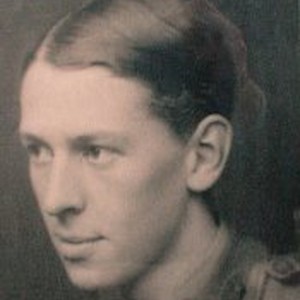
He displayed exceptional bravery and devotion to duty during a fourteen-day period preceding his death in action. He conducted personal reconnaissances, led his battalion under fire, and established himself in exposed positions to observe and direct operations. Despite suffering from gas and shell effects, he assisted in rescuing the wounded and was ultimately killed while writing a report after an unsuccessful attack.
Lieutenant Colonel Sir John Reginald Noble Graham, 3rd Baronet
| Name: | Lieutenant Colonel Sir John Reginald Noble Graham, 3rd Baronet |
| Born: | 17 Sep 1892 |
| Died: | 6 Dec 1980 |
| Unit: | The 9th Battalion Princess Louise’s (Argyll and Sutherland Highlanders), attached 136th Company, Machine Gun Corps |
| Date: | 22 Apr 1917 |
| Place: | Istabulat, Mesopotamia |
| Rank: | Lieutenant |
| Entry: | The London Gazette of 14 Sep 1917, Numb. 30284, p. 9532 |
| Displayed: | Argyll and Sutherland Highlanders Museum, Stirling Castle |
| References: | [34] |
| Connection: | Educated at Eton College |

He displayed exceptional bravery and resourcefulness while commanding a Machine Gun Section under heavy fire. Despite being wounded multiple times, he continued to control his guns, effectively holding up a strong counter-attack and averting a critical situation.
John Spencer Dunville VC
| Name: | John Spencer Dunville VC |
| Born: | 7 May 1896 |
| Died: | 26 Jun 1917 |
| Unit: | 1st (Royal) Dragoons |
| Date: | 24 Jun 1917 |
| Place: | Épehy, France |
| Rank: | Second Lieutenant |
| Entry: | The London Gazette of 31 Jul 1917, Numb. 30215, p. 7906 |
| Displayed: | The Household Cavalry Museum, London |
| References: | [35] |
| Connection: | Educated at Eton College |

He displayed great gallantry and disregard for personal danger while leading a party of scouts and Royal Engineers to demolish the enemy’s wire. Despite being severely wounded, he continued to direct his men, putting himself in the line of fire protecting the engineers, until the raid was successfully completed, setting a magnificent example of courage and determination. Unfortunately, he succumbed to his wounds after the operation.
Captain Julian Royds Gribble VC
| Name: | Captain Julian Royds Gribble VC |
| Born: | 5 Jan 1897 |
| Died: | 25 Nov 1918 |
| Unit: | 10th Battalion The Royal Warwickshire Regiment, 154th Brigade, 51st Division |
| Date: | 23 Mar 1918 |
| Place: | Vélu Wood, France |
| Rank: | Temporary Captain |
| Entry: | The London Gazette of 25 Jun 1918, Numb. 30770, p. 7617 |
| Displayed: | Royal Regiment of Fusiliers Museum, Warwick (duplicate, original lost in a fire) |
| References: | [36] |
| Connection: | Educated at Eton College |

Captain Gribble displayed exceptional bravery and devotion to duty while commanding the right company of the battalion during an enemy attack. Despite being isolated and having the opportunity to withdraw, he chose to hold his position until further orders were received, inspiring his men to do the same. Completely surrounded, he was seen fighting to the last. His actions significantly delayed the enemy’s advance, allowing the remainder of his brigade and other units to withdraw safely.
Brigadier Lewis Pugh Evans VC CB CMG DSO & Bar DL
| Name: | Brigadier Lewis Pugh Evans VC CB CMG DSO & Bar DL |
| Born: | 3 Jan 1881 |
| Died: | 30 Nov 1962 |
| Unit: | Black Watch (Royal Highlanders) commanding 1st Battalion The Lincolnshire Regiment, 62nd Brigade, 21st Division |
| Date: | 4 Oct 1917 |
| Place: | Broodseinde, Belgium |
| Rank: | Acting Lieutenant Colonel |
| Entry: | The London Gazette of 23 Nov 1917, Numb. 30400, p. 12327. |
| Displayed: | Imperial War Museums, London |
| References: | [37] |
| Connection: | Educated at Eton College |
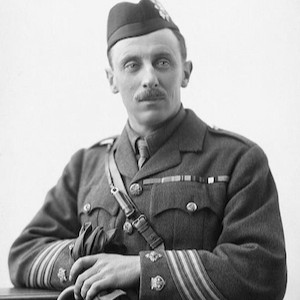
He demonstrated exceptional bravery and leadership during an assault, leading his battalion through heavy enemy fire and personally capturing a strong machine gun emplacement. Despite being severely wounded twice, he continued to command and lead his troops until the second objective was secured. His cool bravery and determination inspired his men and significantly contributed to the success of the operation
Lieutenant Colonel Arthur Drummond Borton VC CMG DSO
| Name: | Lieutenant Colonel Arthur Drummond Borton VC CMG DSO |
| Born: | 1 Jul 1883 |
| Died: | 5 Jan 1933 |
| Unit: | 2nd/22nd (County of London) Battalion, The London Regiment, (The Queen’s) |
| Date: | 7 Nov 1917 |
| Place: | Near Tel-el-Sheria, Palestine |
| Rank: | Lieutenant Colonel |
| Entry: | The London Gazette of 18 Dec 1917, Numb. 30433, p. 13221 |
| Displayed: | Queen’s Royal Surrey Regiment Museum, Guildford |
| References: | [38] |
| Connection: | Educated at Eton College |
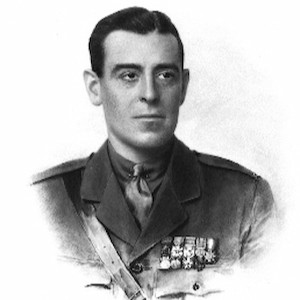
He displayed exceptional bravery and leadership while commanding his battalion during an attack under difficult conditions. Despite heavy machine-gun fire, he reorganized his command and led his men to capture the enemy position. Later, he led a party of volunteers to capture a battery of field guns, setting an inspiring example for the entire brigade.
Lieutenant Colonel Neville Bowes Elliott-Cooper VC DSO MC
| Name: | Lieutenant Colonel Neville Bowes Elliott-Cooper VC DSO MC |
| Born: | 22 Jan 1889 |
| Died: | 11 Feb 1918 |
| Unit: | 8th Battalion The Royal Fusiliers (City of London Regiment) |
| Date: | 30 Nov 1917 |
| Place: | Cambrai, France |
| Rank: | Temporary Lieutenant Colonel |
| Entry: | he London Gazette of 12 February 1918. 13 February 1918, Numb. 30523, p. 2003 |
| Displayed: | Royal Fusiliers Museum, Tower of London |
| References: | [39] |
| Connection: | Educated at Eton College |
For most conspicuous bravery and devotion to duty, an officer rushed out of his dug-out upon hearing that the enemy had broken through the outpost line. Unarmed, he led the Reserve Company and Battalion Headquarters to force the enemy back 600 yards, despite being severely wounded. Realizing that his men were greatly outnumbered and suffering heavy casualties, he signaled for them to withdraw, fully aware that this decision would result in his own capture. His prompt and gallant actions gained time for the reserves to move up and occupy the line of defence.
Geoffrey Heneage Drummond VC RNVR
| Name: | Geoffrey Heneage Drummond VC RNVR |
| Born: | 25 Jan 1886 |
| Died: | 21 Apr 1941 |
| Unit: | HM Motor Launch 254, Royal Naval Volunteer Reserve |
| Date: | 9 May 1918 |
| Place: | The Second Ostend Raid, Belgium |
| Rank: | Lieutenant Commander |
| Entry: | The London Gazette of 27 Aug 1918, Numb. 30870, p. 10084 |
| Displayed: | Imperial War Museums, London |
| References: | [40] |
| Connection: |

Lieutenant Drummond volunteered for rescue work in command of M.L. 254. Despite being severely wounded, navigated his vessel into Ostend harbour and rescued two officers and thirty-eight men from the ‘Vindictive’. He remained on the bridge until he collapsed from his wounds, demonstrating exceptional bravery and determination. His actions were crucial in saving the majority of the crew of the ‘Vindictive’.
Captain Percy Hansen (1890–1951)
| Name: | Brigadier Percy Howard Hansen VC DSO MC |
| Born: | 26 Oct 1890 |
| Died: | 12 Feb 1951 |
| Unit: | 6th Battalion The Lincolnshire Regiment, 33rd Brigade, 11th Division |
| Date: | 9 Aug 1915 |
| Place: | Scimitar Hill, Suvla Bay, Gallipoli |
| Rank: | Captain |
| Entry: | The London Gazette of 1 October 1915, Numb. 29312, p. 9641 |
| Displayed: | Imperial War Museums, London |
| References: | [41] [42] |
| Connection: | Educated at Eton College |
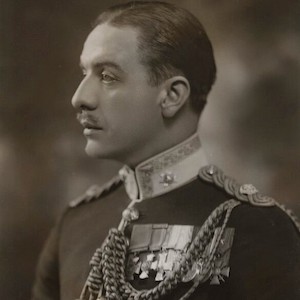
For most conspicuous bravery on 9 Aug 1915, at Yilghin Burnu, Gallipoli Peninsula. After the second capture of the “Green Knoll” his Battalion was forced to retire, leaving some wounded behind, owing to the intense heat from the scrub which had been set on fire. When the retirement was effected Captain Hansen, with three or four volunteers, on his own initiative, dashed forward several times some 300 to 400 yards over open ground into the scrub under a terrific fire, and succeeded in rescuing from inevitable death by burning no less than six wounded men.
The London Gazette
Air Commodore Ferdinand Maurice Felix West VC CBE MC
| Name: | Air Commodore Ferdinand Maurice Felix West VC CBE MC |
| Born: | 19 Jan 1896 |
| Died: | 8 Jul 1988 |
| Unit: | No 8 Squadron, Royal Air Force |
| Date: | 10 Aug 1918 |
| Place: | North-east of Roye, France |
| Rank: | Acting Captain |
| Entry: | The London Gazette of 5 Nov 1918, Numb. 30999, p. 13199 |
| Displayed: | Imperial War Museums, London |
| References: | [43] [44] |
| Connection: | Lived and is buried in Sunningdale |

Whilst engaging hostile troops at a low altitude far over the enemy lines, he was attacked by seven aircraft. Early in the engagement, one of his legs was partially severed by an explosive bullet, rendering the machine temporarily unmanageable. Despite his severe injuries, he regained control of the machine and skillfully manoeuvred it, allowing his observer to drive away the enemy aircraft. He then brought the aircraft over friendly lines and landed safely, fainting from exhaustion but insisting on writing his report upon regaining consciousness.
Lieutenant Colonel Harry Greenwood VC DSO & Bar OBE MC
| Name: | Lieutenant Colonel Harry Greenwood VC DSO & Bar OBE MC |
| Born: | 25 Nov 1881 |
| Died: | 5 May 1948 |
| Unit: | East of Le Cateau-Cambrésis, France |
| Date: | 23 Oct 1918 |
| Place: | 9th Battalion The King’s Own (Yorkshire Light Infantry), 64th Brigade, 21st Division |
| Rank: | Acting Lieutenant Colonel |
| Entry: | The London Gazette of 26 Dec 1918, Numb. 31082, p. 15117 |
| Displayed: | The King’s Own Yorkshire Light Infantry Museum, Doncaster. |
| References: | [55] [69] |
| Connection: | Born at the Victoria Barracks, Windsor. Blue plaque in Windsor |

He displayed exceptional bravery and leadership on 22-23 Oct 1918. When his battalion’s advance was halted by an enemy machine-gun post, he single-handedly rushed the post and killed the crew. Despite being surrounded by hostile machine-gun posts, he led his troops to capture the objective, taking 150 prisoners and several enemy weapons. His valour and leadership were instrumental in securing the flank of his brigade and division, despite heavy casualties.
Oliver Brooks VC
| Name: | Oliver Brooks VC |
| Born: | 31 May 1889 |
| Died: | 25 Oct 1940 |
| Unit: | 3rd Battalion Coldstream Guards, 2nd Guards Brigade |
| Date: | 8 Oct 1915 |
| Place: | Haisnes, near Loos, France |
| Rank: | Lance Sergeant |
| Entry: | The London Gazette of 28 Oct 1915, Numb. 29342, p. 10629 |
| Displayed: | The Coldstream Guards RHQ, Wellington Barracks, London. |
| References: | [56] [68] [69] |
| Connection: | Lived in Windsor from 1919- 1940. Blue Plaque in Windsor |

For most conspicuous bravery near Loos, on the 8th October, 1915. A strong party of the enemy having captured 200 yards of our trenches, Lance-Serjeant Brooks, on his own initiative, led a party of bombers in the most determined manner, and succeeded in regaining possession of the lost ground. The signal bravery displayed by this Non-commissioned Officer, in the midst of a hail of bombs from the Germans, was of the very first order, and the complete success attained in a very dangerous undertaking was entirely due to his absolute fearlessness, presence of mind and promptitude.
The London Gazette
William Thomas Forshaw VC MID
| Name: | William Thomas Forshaw VC MID |
| Born: | 20 Apr 1890 |
| Died: | 26 May 1943 |
| Unit: | 1/9th Battalion The Manchester Regiment, 42nd Division |
| Date: | 7 Aug 1915 |
| Place: | The Vineyard, south-west of Krithia, Gallipoli |
| Rank: | Lieutenant |
| Entry: | The London Gazette of 9 Sep 1915, Numb. 29289, p. 8971 |
| Displayed: | Museum of the Manchester Regiment, Ashton-under-Lyne |
| References: | [57] [58] |
| Connection: | Lived in Holyport, buried in Touchen End cemetery |
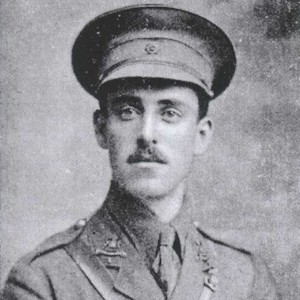
During a fierce attack, he defended the north-west corner of “The Vineyard” against repeated Turkish assaults, personally leading and encouraging his men. For 41 hours, he continuously threw bombs and exposed himself to great danger, even volunteering to stay on after relief arrived. Despite enduring bomb fumes, shrapnel injuries, and exhaustion, he successfully repelled several night attacks and reclaimed lost ground. His exceptional courage and leadership were crucial in holding this vital position.
Thomas Tannatt Pryce VC MC & Bar
| Name: | Thomas Tannatt Pryce VC MC & Bar |
| Born: | 17 Jan 1886 |
| Died: | 13 Apr 1918 |
| Unit: | 4th Battalion Grenadier Guards |
| Date: | 13 Apr 1918 |
| Place: | Vieux Berquin, France |
| Rank: | Acting Captain |
| Entry: | The London Gazette of 22 May 1918, Numb. 30697, pp. 6057-58 |
| Displayed: | The Guards Museum, Wellington Barracks, London |
| References: | [65] [66] |
| Connection: | Lived in Gringer Hill, Maidenhead |
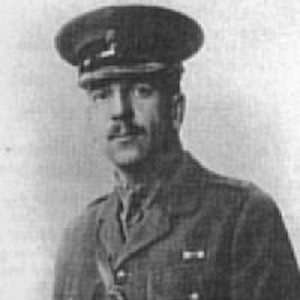
He demonstrated exceptional bravery, devotion to duty, and self-sacrifice while leading a flank of the Grenadier Guards in an attack on a village. He personally led two platoons, killing thirty enemies, including seven by himself. Despite being surrounded and heavily outnumbered, he and his men repelled multiple attacks throughout the day, even when the enemy brought field guns within 300 yards of their position. In the end, with only 17 men left and no ammunition, he led a final bayonet charge and was last seen in a fierce hand-to-hand struggle, having held back an entire enemy battalion for over ten hours.
North West Frontier
The North West Frontier Campaigns in the early 20th century were a series of British military operations along the rugged border between British India and Afghanistan (now in Pakistan’s Khyber Pakhtunkhwa region). These campaigns aimed to suppress resistance from fiercely independent Pashtun tribes, who frequently challenged British authority. The region was strategically important due to fears of Russian influence during the Great Game.
Fighting included major uprisings such as the 1901–1908 Waziristan operations, the Mohmand and Zakka Khel expeditions in 1908, and the large-scale Third Anglo-Afghan War in 1919, which ended with Afghanistan gaining control over its foreign affairs. The British faced difficult terrain, guerrilla tactics, and frequent ambushes, leading to a prolonged, costly presence in the area. These campaigns highlighted the limits of imperial power and the persistent instability of the frontier region.
Godfrey Meynell VC
| Name: | Godfrey Meynell VC |
| Born: | 20 May 1904 |
| Died: | 29 Sep 1935 |
| Unit: | 5th Battalion (Queen Victoria’s Own Corps of Guides) 12th Frontier Force Regiment, Nowshera Brigade, Indian Army |
| Date: | 29 Sep 1935 |
| Place: | The Nahakki Pass, North-West Frontier, India |
| Rank: | Captain |
| Entry: | The London Gazette of 24 December 1935, Numb. 34235, p. 8291 |
| Displayed: | Not publicly held |
| References: | [45] |
| Connection: | Educated at Eton College |
He displayed exceptional gallantry and devotion to duty during an attack on Point 4080 on 29 Sep 1935. Despite being outnumbered, he took command of the forward troops and maintained heavy and accurate fire on the enemy. Even after being mortally wounded, he continued to communicate the situation to Headquarters and encouraged his men to fight to the last. His actions inflicted heavy casualties on the enemy and upheld the highest traditions of the Army.
Second World War
The Second World War (1939–1945) was a global conflict involving most of the world’s major powers, divided into the Allies (including Britain, the Soviet Union, the United States, and China) and the Axis Powers (primarily Nazi Germany, Italy, and Japan). It began when Germany invaded Poland, prompting Britain and France to declare war. The war saw vast battles across Europe, Africa, Asia, and the Pacific, marked by brutal fighting, genocide (including the Holocaust), and the use of advanced military technology.
Key turning points included the Battle of Britain, the invasion of the Soviet Union, D-Day, and the atomic bombings of Hiroshima and Nagasaki. The war ended in 1945 with the defeat of Germany in May and Japan in August. It caused an estimated 70–85 million deaths, reshaped global politics, led to the United Nations’ creation, and marked the start of the Cold War between the U.S. and the Soviet Union.
William Sidney, 1st Viscount De L’Isle
| Name: | William Philip Sidney, 1st Viscount De L’Isle |
| Born: | 23 May 1909 |
| Died: | 5 Apr 1991 |
| Unit: | 5th Battalion Grenadier Guards |
| Date: | 7 Feb 1944 |
| Place: | Carroceto, Anzio |
| Rank: | Temporary Major |
| Entry: | The London Gazette of 28 March 1944. 30 March 1944, Numb. 36445, pp. 1477-78 |
| Displayed: | Not publicly displayed |
| References: | [46] [47] |
| Connection: | Educated at Eton College |
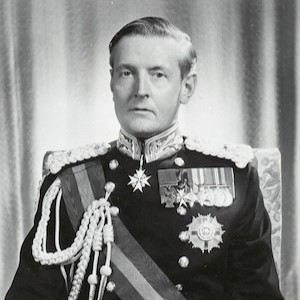
Major Sidney displayed exceptional courage and disregard for danger during the action near Carroceto in Feb 1944. Despite being heavily attacked by enemy infantry, he personally led an attack with Tommy guns and hand grenades, driving the enemy out of the gully. Even after being wounded, he continued to engage the enemy and inspire his men, ultimately ensuring the battalion’s position was re-established. His actions had vitally far-reaching consequences on the battle as a whole.
Christopher Furness VC
| Name: | The Honourable Christopher Furness VC |
| Born: | 17 May 1912 |
| Died: | 24 May 1940 |
| Unit: | 1st Battalion Welsh Guards |
| Date: | 17 May 1940 |
| Place: | Arras, France |
| Rank: | Lieutenant |
| Entry: | The London Gazette of 5 Feb 1946, Numb. 37458, p. 847) |
| Displayed: | Welsh Guards (RHQ) at Wellington Barracks, London |
| References: | [48] |
| Connection: | Educated at Eton College |
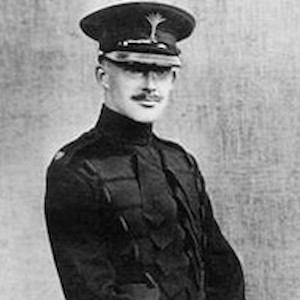
He commanded the Carrier Platoon, Welsh Guards, during the period of 17-24 May 1940, when his Battalion was part of the garrison of Arras. Despite being wounded, he refused evacuation and led his platoon in covering the withdrawal of over 40 vehicles under heavy enemy fire. He advanced with three Carriers, inflicting heavy losses on the enemy, and engaged in hand-to-hand combat until he was killed. His self-sacrifice allowed the transport column to escape unmolested and covered the evacuation of some wounded.
Captain Charles Antony Lyell, 2nd Baron Lyell, VC
| Name: | Captain Charles Antony Lyell, 2nd Baron Lyell, VC |
| Born: | 14 Jun 1913 |
| Died: | 27 Apr 1943 |
| Unit: | 1st Battalion Scots Guards |
| Date: | 22 Apr 1943 |
| Place: | The Medjerda Valley and Djebel Bou Aoukaz, Tunisia |
| Rank: | Temporary Captain |
| Entry: | The London Gazette of 12 Aug 1943, Numb. 36129, p. 3625 |
| Displayed: | St Mary’s Church in Kirriemuir |
| References: | [49] [50] |
| Connection: | Educated at Eton College |

From 22 to Apr 1943, he led his company with great gallantry and cheerfulness under heavy mortar fire to repel a German counterattack. He successfully captured and consolidated a high point despite heavy shelling, heat, and water shortages, maintaining the fighting spirit of his company. On 27 Apr, realizing that an enemy post was holding up their advance, he led a small group to attack it, destroying the machine gun pit and silencing the 88-millimeter gun. Despite being overwhelmed and killed, his actions enabled his company to advance and achieve their objective.
Geoffrey Keyes VC
| Name: | Lieutenant-Colonel Geoffrey Charles Tasker Keyes VC MC |
| Born: | 18 May 1917 |
| Died: | 18 Nov 1941 |
| Unit: | The Royal Scots Greys (2nd Dragoons) and No 11 (Scottish) Commando |
| Date: | 17 Nov 1941 |
| Place: | Beda Littoria, Libya |
| Rank: | Temporary Lieutenant Colonel, |
| Entry: | The London Gazette of 19 Jun 1942, Numb. 35600, p. 2699 |
| Displayed: | Imperial War Museums, London |
| References: | [51] |
| Connection: | Educated at Eton College |

He led a detachment to attack the headquarters of the German forces in North Africa, 250 miles behind lines, a mission that was extremely hazardous and meant almost certain death. He navigated dangerous terrain in pitch darkness and maintained the morale of his detachment. Upon reaching the target, he boldly led his party to the front door, but was mortally wounded during the attack. Despite his injuries, his fearless leadership and gallantry set an example of supreme self-sacrifice and devotion to duty.
Major David Auldjo Jamieson, VC, CVO
| Name: | Major David Auldjo Jamieson VC CVO |
| Born: | 1 Oct 1920 |
| Died: | 5 May 2001 |
| Unit: | 7th Battalion The Royal Norfolk Regiment, 59th Division |
| Date: | 7 Aug 1944 |
| Place: | River Orne, South of Grimbosq |
| Rank: | Captain |
| Entry: | The London Gazette of 26 Oct 1944, Numb. 36764, p. 4899 |
| Displayed: | The Royal Norfolk Regimental Museum, Norwich Castle |
| References: | [52] |
| Connection: | Educated at Eton College |
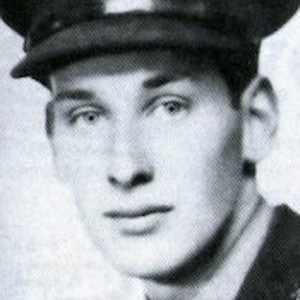
He commanded a Company of The Royal Norfolk Regiment, establishing a bridgehead over the River Orne in Normandy. On 7 Aug 1944, his company repelled three German counter-attacks, including one involving Tiger and Panther tanks. He displayed outstanding courage and leadership. Despite being wounded, he refused evacuation, reorganized his company, and continued to lead under heavy fire, ultimately driving off the enemy. His actions were crucial in holding the bridgehead and repulsing seven German counter-attacks over thirty-six hours.
Falklands War
The Falklands War was a ten-week conflict in 1982 between Argentina and the United Kingdom over the Falkland Islands in the South Atlantic. The war began on 2 Apr 1982, when Argentina invaded and occupied the islands, claiming sovereignty over them. In response, the UK dispatched a naval task force to retake the territory.
After intense fighting, British forces successfully landed on the islands and pushed back the Argentine troops. The war ended on 14 Jun 1982, with Argentina surrendering and the islands returning to British control. The conflict resulted in over 900 deaths and had lasting political impacts: it led to the fall of Argentina’s military dictatorship and boosted British Prime Minister Margaret Thatcher’s popularity. The war reaffirmed British sovereignty over the Falklands.
Herbert ‘H’ Jones VC OBE MBE
| Name: | Lieutenant Colonel Herbert (‘H’) Jones VC OBE |
| Born: | 14 May 1940 |
| Died: | 28 May 1982 |
| Unit: | 2nd Battalion The Parachute Regiment, 3rd Commando Brigade |
| Date: | 28 May 1982 |
| Place: | Darwin, East Falkland |
| Rank: | Lieutenant Colonel |
| Entry: | The London Gazette of 8 Oct 1982, Numb. 49134, p. 12831 |
| Displayed: | National Army Museum, London |
| References: | [53] |
| Connection: | Educated at Eton College |

On 28 May 1982, during the Falklands War, he led the 2nd Battalion The Parachute Regiment in an assault on well-defended Argentine positions near Darwin and Goose Green. When his battalion was stalled under heavy fire, Jones personally led a charge against a key enemy trench, showing extraordinary bravery despite being fatally wounded in the attempt. His actions inspired his troops, broke the enemy’s resistance, and led to a decisive British victory with the surrender of 1,200 Argentine soldiers. His leadership set the tone for the remainder of the land campaign.
Recognition
The following websites offer significantly more detail about the recipients.
- ‘Henry Hugh Manvers PERCY VC KCB‘ on the VC & GC Association website.
- ‘Charles RUSSELL VC‘ on the VC & GC Association website.
- ‘Gerald Littlehales GOODLAKE VC‘ on the VC & GC Association website.
- ‘Robert James LINDSAY VC‘ on the VC & GC Association website.
- ‘Robert James Loyd-Lindsay, 1st Baron Wantage‘ by Caldesi & Co; NPG Ax9858 © National Portrait Gallery, London
- ‘Charles Craufurd FRASER VC KCB‘ on the VC & GC Association website.
- ‘Sir Charles Craufurd Fraser VC KCB‘ on The British Empire website.
- ‘Clement WALKER-HENEAGE VC‘ on the VC & GC Association website.
- ‘Clement Walker Heneage VC‘ on Victoria Cross Online website.
- ‘Frederick Sleigh ROBERTS VC KG, KP, GCB, OM, GCSI, GCIE, KSIJ, VD, PC‘ on the VC & GC Association website.
- ‘General Lord Roberts‘ by A. H. Poole Studio Photographer, POOLEWP 0311, National Library of Ireland.
- ‘George Vincent FOSBERY VC‘ on the VC & GC Association website.
- ‘Redvers Henry BULLER VC GCB, GCMG‘ on the VC & GC Association website.
- ‘Sir Redvers Henry Buller‘ by Zapp & Bennett; NPG D1136 © National Portrait Gallery, London.
- ‘William Leslie de la Poer BERESFORD VC KCIE‘ on the VC & GC Association website.
- ‘Arthur Knyvet WILSON VC GCB, OM, GCVO‘ on the VC & GC Association website.
- ‘Adm. Sir A.K. Wilson‘ by Bain News Service, publisher, Public domain, via Wikimedia Commons.
- ‘William Mordaunt Marsh EDWARDS VC‘ on the VC & GC Association website.
- ‘Alexander Gore Arkwright HORE-RUTHVEN VC‘ on the VC & GC Association website.
- ‘AGA Hore-Ruthven‘, Trove PIC Box PS 13695 #PIC/6281/264.
- ‘Alexander Edward MURRAY VC DSO, MVO‘ on the VC & GC Association website.
- ‘Earl of Dunmore‘ by Bain News Service, publisher, Public domain, via Wikimedia Commons.
- ‘Charles FITZCLARENCE VC‘ on the VC & GC Association website.
- ‘Captain Charles Fitzclarence‘, VC410 of the Imperial War Museums, London (public domain).
- ‘Sir John Edmond GOUGH VC KCB (1915); CMG (1910)‘ on the VC & GC Association website.
- ‘John Vaughan CAMPBELL VC DSO‘ on the VC & GC Association website.
- ‘George Arthur BOYD-ROCHFORT VC‘ on the VC & GC Association website.
- ‘VC636 George Arthur Boyd-Rochfort‘ on the Memorials to Valour website.
- Francis Octavus GRENFELL VC” on the VC & GC Association website.
- ‘Captain Francis Octavius Grenfell‘ on the Imperial War Museum website.
- ‘Arthur Hugh Henry BATTEN-POOLL VC‘ on the Imperial War Museum website.
- ‘Lt Arthur Hugh Henry Batten-Pooll‘ on the Find A Grave website.
- ‘William La Touche CONGREVE VC DSO MC‘ on the VC & GC Association website.
- ‘John Reginald Noble GRAHAM VC‘ on the VC & GC Association website.
- ‘John Spencer DUNVILLE VC‘ on the VC & GC Association website.
- ‘Julian Royds GRIBBLE VC‘ on the VC & GC Association website.
- ‘Lewis Pugh EVANS VC DSO*‘ on the VC & GC Association website.
- ‘Arthur Drummond BORTON VC CMG (1918); DSO (1919)‘ on the VC & GC Association website
- ‘Neville Bowes ELLIOTT-COOPER VC DSO MC‘ on the VC & GC Association website.
- ‘Geoffrey Heneage DRUMMOND VC‘ on the VC & GC Association website.
- ‘Percy Howard Hansen‘ by Bassano Ltd, 1922; NPG x84299 © National Portrait Gallery, London
- ‘Percy Howard HANSEN VC DSO MC‘ on the VC & GC Association website.
- ‘Ferdinand Maurice Felix WEST VC CBE MC‘ on the VC & GC Association website.
- ‘Graveyard Clearance of Victoria Cross Winner‘ on the Royal Airforce website.
- ‘Godfrey MEYNELL VC‘ on the VC & GC Association website.
- ‘William Philip SIDNEY VC‘ on the VC & GC Association website.
- ‘William Sidney, 1st Viscount De L’Isle in the viceregal uniform of the Governor-General of Australia‘, National Library of Australia.
- ‘The Honourable Christopher FURNESS VC‘ on the VC & GC Association website.
- ‘Charles Anthony LYELL VC‘ on the VC & GC Association website.
- ‘Captain Lord Charles Anthony Lyell VC Victoria Cross‘ on the Scots Guards website.
- ‘Geoffrey Charles Tasker KEYES VC‘ on the VC & GC Association website.
- ‘David Auldjo JAMIESON VC‘ on the VC & GC Association website.
- ‘Herbert (‘H’) Jones VC OBE‘ on the VC & GC Association website.
- ‘Lord Ashcroft Medal Collection‘ at the Imperial War Museums, London.
- ‘Harry GREENWOOD VC DSO* MC‘ on the VC & GC Association website.
- ‘Oliver Brooks VC‘ on the VC & GC Association website.
- ‘William Thomas FORSHAW VC MiD‘ on the VC & GC Association website.
- ‘William Thomas Forshaw‘ on the Maidenhead Heritage Centre website.
- ‘Francis Cornwallis MAUDE VC CB‘ on the VC & GC Association website.
- ‘Edward ROBINSON VC‘ on the VC & GC Association website.
- ‘Edward Robinson VC‘ in Windlesora 33.
- ‘Arthur George HAMMOND VC KCB DSO‘ on the VC & GC Association website.
- ‘Henry William ENGLEHEART VC‘ on the VC & GC Association website.
- ‘Henry William Engleheart VC, Datchet resident‘ on the Datchet Village Society website.
- ‘Thomas Tannatt PRYCE VC MC* MiD*‘ on the VC & GC Association website.
- ‘Maidenhead memorial park for WW1 VC hero Thomas Pryce‘ on the BBC News website.
- ‘Windsor in the Great War‘, by Derek Hunt and Brigitte Mitchell.
- ‘Oliver Brooks VC‘ in Windlesora 17.
- ‘First World War Memorial Garden‘ in Windlesora 33.
General websites worth visiting include:
- The Victoria Cross website.
- The Victoria Cross Trust website.
- ‘The Victoria Cross‘ on the National Army Museum website.
- The Gazette Official Public Record website.
- The VC & GC Association website.
- The Victoria Cross Online website.
- ‘Victoria Cross registers 1856 – 1944‘ on The National Archives website.
- ‘Victoria Cross recipients‘ on the National Portrait Gallery website.
- ‘Lord Ashcroft Gallery‘ on the Imperial War Museums website [note: open ’til Sept 2025].
 Windsor Local History Group