
Published in Windlesora 26 (2010)
© WLHG
The Great War of 1914-18 was not so for my Great Aunt Florence Moore who had married her sweetheart Frank when just 22 years old at the Parish Church in Old Windsor, only to receive the distressing news of his demise some eight months later.
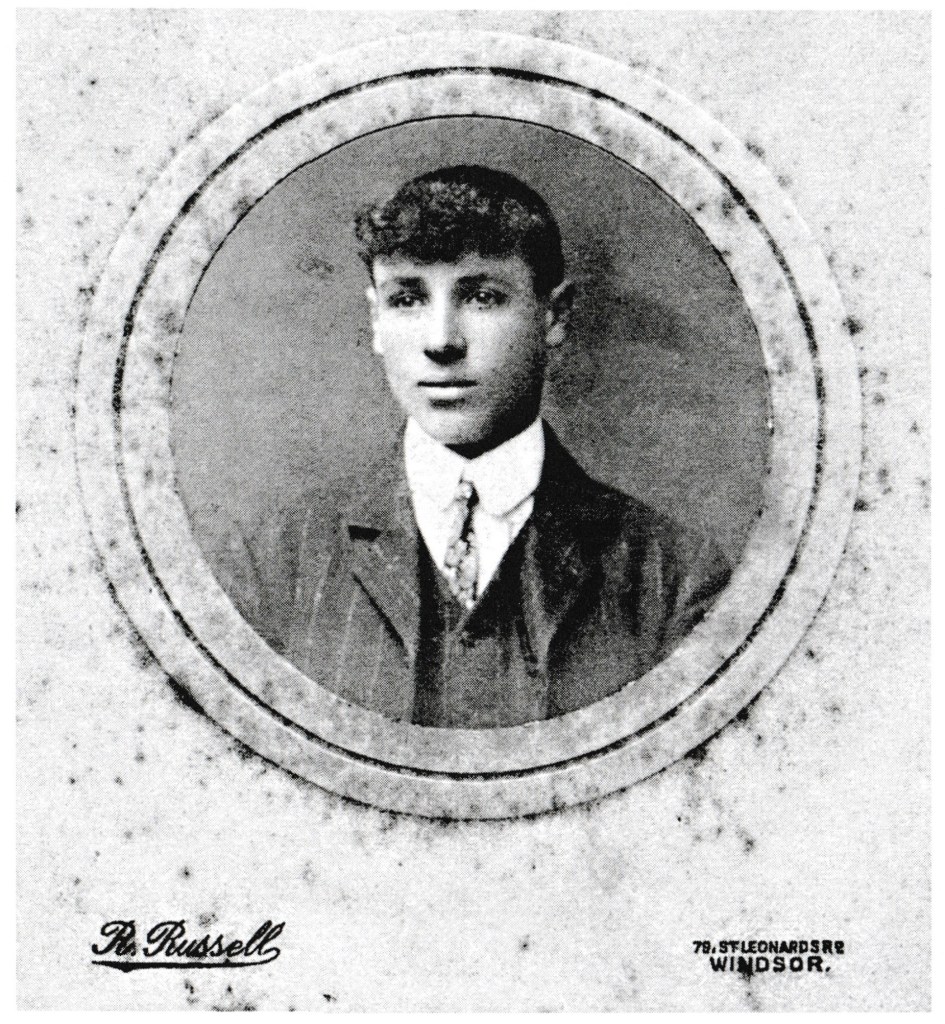
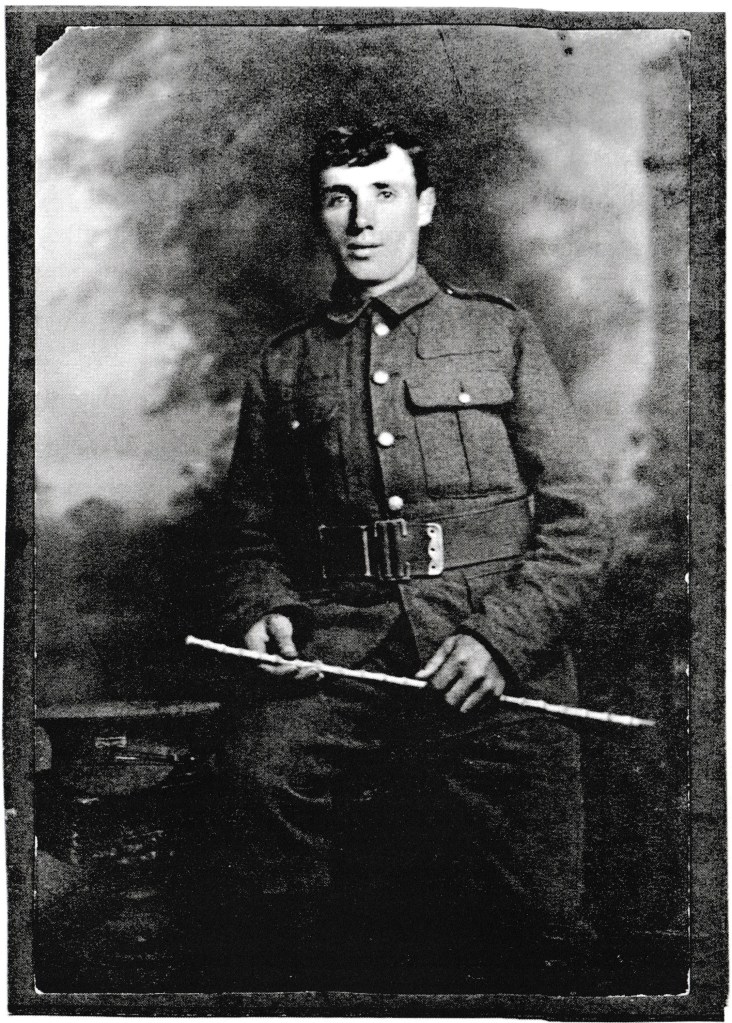
Her husband was Private Frank Banner (No 10885) of ‘D’ Company, the 5th Royal Berkshire Regiment, who had lived with F lorence at Victoria Cottage, New Road, Datchet, and was killed in action with the Expeditionary Force in France aged 25. He was subsequently buried in the Rifle House Cemetery, Ploegskert Wood, before he could witness the birth of his son who Florence named Frank after her heroic husband.
The camaraderie of his fellow soldiers can be felt even now, when reading the obituaries sent to his widow from the heat of the battle. The commanding officer of the regiment wrote:
August 10th 1915
Dear Mrs Banner,
I cannot say how sorry I am to have to inform you that your husband has been killed. He was shot through the lungs, doing his duty like the gallant fellow he was, and died immediately. I was with him within a second or two of his being shot and know that he was quite unconscious and suffered no pain at all. Everything possible was done at once but it was obvious from the first that he could not live.
Your husband was a good soldier and a brave man, and gave his life lor his country – dying the best of deaths – on duty. He was universally liked and his comrades will feel his loss acutely, and will not soon forget him. I who saw him constantly and had every opportunity of knowing what a splendid fellow he was shall miss him as a friend as well as a soldier of my Company.
We shall bury him in the Church Yard where lie many others of his comrades in arms, and put a cross to mark his grave. | am sending on to you his personal belongings — including the knife which I gave him and which he always wore.
With sincere sympathy in the terrible loss you have sustained. Believe me, yours sincerely,
JB Elliot, Captain,
Sth Berkshire Regiment
The commanding officer’s letter was followed two days later by a second letter from Captain Elliot enclosing some of Private Banner’s belongings, and a further four letters from other officers of the regiment including the Chaplain to the Forces. They all spoke of their sense of loss, and emphasised that Pte Banner had suffered no pain, that he had been doing his duty in a noble cause, and had been given a Christian burial. These were the all important words of comfort for families at home.
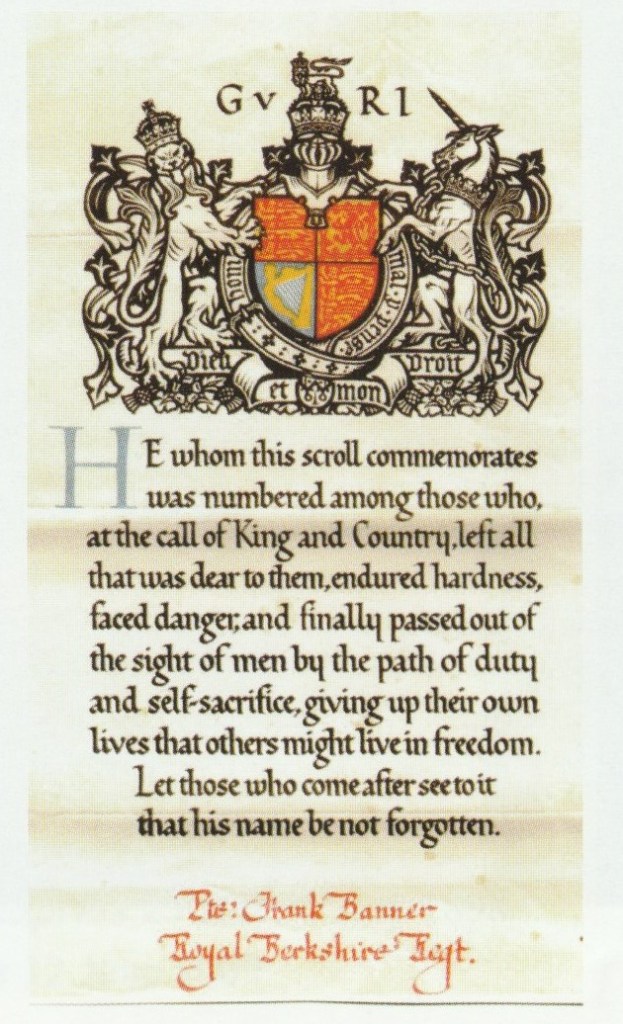
Florence remained a widow, raising her son, and continued to live locally in Oxford Road, Windsor until her death, leaving just the two photographs of her husband (overleaf) and two of his grave along with her marriage certificate and accolade scroll (left) of his ultimate sacrifice.
Keith Moore
…….and the story of another soldier
It was the commanding officer’s duty to write home to the bereaved families of his men. Hundreds of these letters must have been written almost daily throughout the war of 1914-1918. In the Windsor area alone 583 families received letters of condolence from the commanding officer of a loved one. However the number of letters Mrs Banner received was something of a rarity and showed that Pte Banner was held in some regard within the regiment.
As casualties mounted it almost became a routine, and often commanding officers barely knew the raw recruit who had arrived only a few days earlier, to be killed on his first engagement. Often a soldier’s body was never found, either blown to pieces or swallowed up by the relentless mud of Flanders or the Somme. What words of comfort were there then for the bereaved families?
Private George Groves’ parents, who lived at Hundred Steps Lodge in Windsor, received a letter from their son in December 1914, which was published in the Windsor and Eton Express, and revealed some of the terrible conditions at the front:
‘You will see by my address that I have joined my old battalion, but I don’t know how many are left, as we have had 32 officers and 700 men killed, wounded or missing. We are at a place in Belgium and have just come out of the trenches, after being in them three days and three nights with water up to our knees and so cold. The German trenches are only 200 yards from us. We are getting plenty of clothes. I shall not be sorry when this war is all over’.
Ironically, Pte Groves aged 27 was already dead when his letter was published in the papers; he was killed on 14 December 1914 during the first battle of Ypres. His body was never found but he is commemorated at the Menin Gate Memorial in Ypres. The Windsor Express included his death notice in the casualty list on 16 January. We don’t know what words of comfort his commanding officer found to console his parents.
 Windsor Local History Group