
A potted history
Published in Windlesora 32 (2016)
© WLHG 2016
Set in the Berkshire and Surrey countryside is Windsor Great Park, and the forests that lie adjacent. It is rapidly becoming one of those rarest of commodities, a peaceful oasis amidst a turbulent environment; one of our last green ‘sanctuaries’, where you can spend an entire day walking its clean open spaces and never pass the same spot twice. The Park cover approximately 5000 acres, with the local forest adding a further 7900 acres, (these include Swinley, Lower, South, and Cranbourne forests).
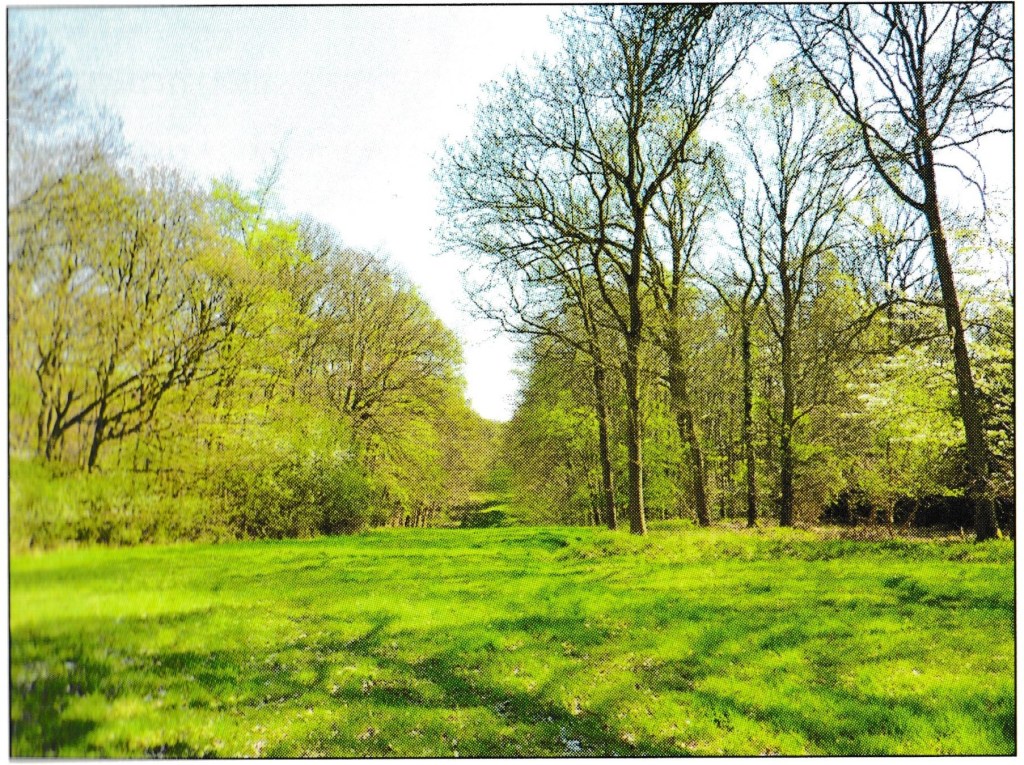
By the time William the Conqueror established his motte and bailey fortress (later evolving into Windsor Castle), the Forest of Windsor (as it later became known), was already anciently established. For over 120 miles around the fortress, the forest covered much of south and cast Berkshire. Windsor was a prime location for his fortress, not least (or its proximity to the forest, and thereby affording direct access to the woods where all the Monarchs of the Middle Ages indulged in the highly popular pastime of deer hunting.
Locals were kept out by the strict enforcement of King William’s Forest Law. Like its creator, the law was extremely unpopular as locals found themselves stripped of certain rights and customs. They could no longer freely walk into the forest and collect fallen wood for fuel, or use beech seeds and acorns to feed their pigs. Even those who lived and worked their land within the forest were bound by a strict set of rules and regulations. The compiler of the Anglo-Saxon Chronicle noted that William ‘preserved the harts and boars and loved the stags as much as if he were their father’.
During the English Civil Wars, the Park was ransacked for whatever it could provide, and after the execution of Charles I in 1649, parcels of land within the Park were given to various Parliamentarian soldiers in lieu of pay. Many of these were sold and exchanged in the form of debentures, an document used to raise or borrow money, almost like Monopoly cards. Captain John Byfield was one to profit from these. He bought and exchanged the debentures of others and ended up the owner of a large tract of land upon which he built a house. Originally known as Byfield House, it would grow and evolve into Cumberland Lodge.
Upon the Restoration of the Monarchy in 1660, all lands and holdings seized by Parliament were taken or handed back to Charles II. The Great Park’s full restoration to a private Royal Park was achieved within a few years, and various styles and themes of landscaping and estate management of the Park took place in the following eighty years. It isn’t until 1746 that we encounter for the first time a man whose vision moulded Windsor Great Park essentially into its present form. He was HRH Prince William Augustus, Ist Duke of Cumberland.
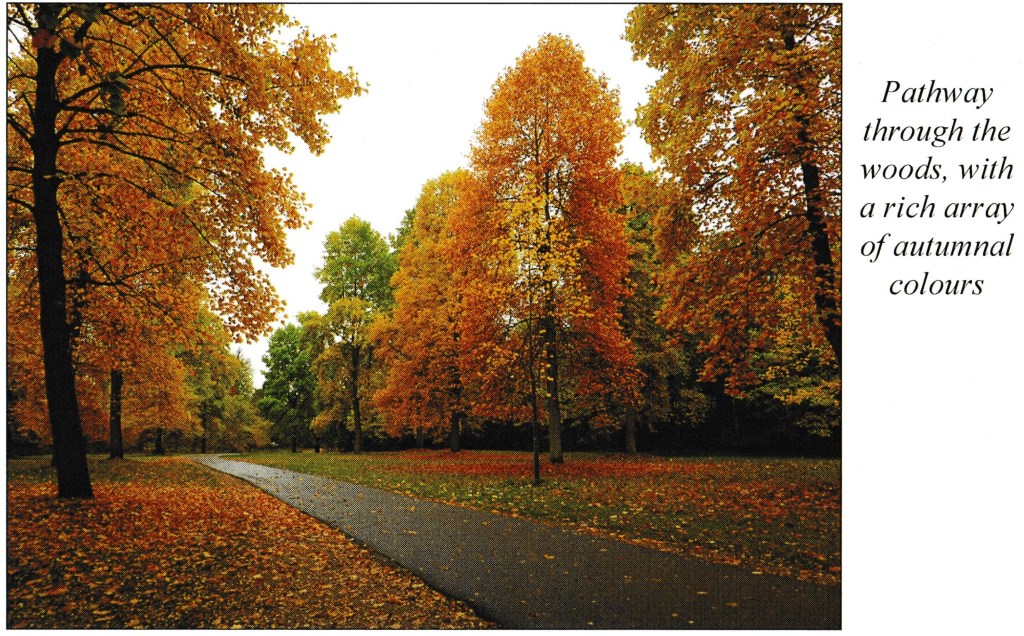
William’s vision was to use wide-scale, highly ambitious landscaping, with the construction of many and varied buildings, bridges, and waterways. On sheer scale alone, the project was nothing short of remarkable; taking wild, uncultivated land and turning it into a vivid landscape with rich and contrasting vistas. We are fortunate today to be able to see and experience the mature fruition of his plans, ideas, and vision.

Over time, as with the other ancient forests of England, Windsor Forest slowly decreased in size; clearances, illegal encroachments, and the expansion of local towns and villages, all ate away at the edges. The final boundaries, with which we are familiar today, were established by George III and the Enclosure Act 1806, and completed in 1817. The death of George IV in 1830 brought about one of the most significant changes that the Great Park had seen. William IV, George’s successor, opened it to the general public, and thus began a happy and enduring relationship between Windsor Great Park and the people.
 Windsor Local History Group