
Published in Windlesora 29 (2013)
©2013, WLHG
‘The Military Knights of Windsor 1348 to 2011’ complied by Richard and Jennifer Moore
ISBN: 9780956769909

The Military Knights, previously known as Poor Knights, have formed an essential part of the College of St George and Windsor Castle since their creation in the reign of King Edward III. It is not an order of knighthood; it is made up of retired Army officers who, since 1348, have fought in almost every battle in which the nation has been involved. The Military Knights of Windsor are the oldest unit in the British Army.
This new book replaces The Military Knights of Windsor 1352 – 1944 by the Reverend Edmund H Fellowes, which has been out of print for many years and is now difficult to find. Major Richard Moore is a current Military Knight and has had access to numerous official sources. This has enabled him, and his wife, to update and correct the earlier edition, add an index, list of graves, and much other new information, including a selection of colour photographs — many of them from The Royal Collection. There is also a list of Military Knights who fought at the Battle of Waterloo, and details of the short-lived Naval Knights of Windsor.
The Military Knights have been drawn from eighty-three British Infantry Regiments of the Line, and many other units. An appendix aids researchers of specific regiments by listing all the regiments, services, colonial forces and yeomanry units, and the Military Knights who served in them.
The compilers are to be congratulated on this beautifully produced and reasonably priced reference book, which is highly recommended.
Derek Hunt
‘A Joyous Service: the Clewer Sisters and their work’ by Valerie Bonham
ISBN 9780957419704
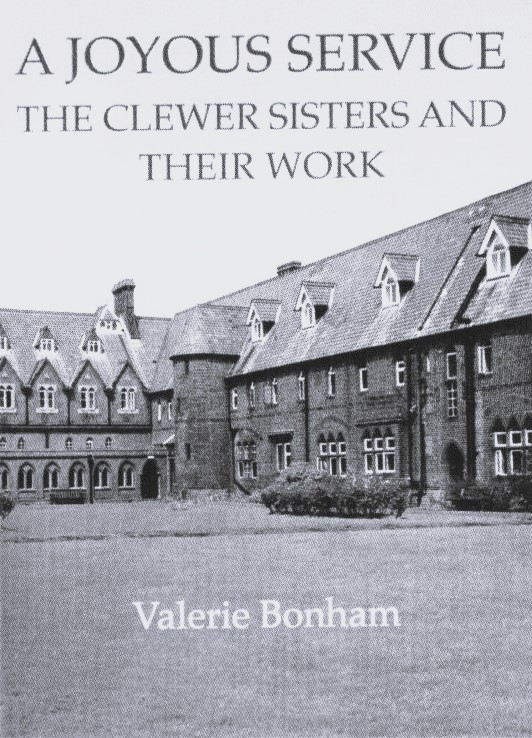
Valerie Bonham, a former editor of Windlesora, first wrote this book in 1989 when the Community of St John Baptist was still at the Victorian convent building in Hatch Lane, Clewer. This was closed in 2000 and the sisters moved to Oxfordshire.
All the original material is in this new volume but the story has been brought up-lo-date. The fate of the Sisters, the original building and the fixtures,fittings, devotional objects, paintings and plaques is covered in full, together with the building of their brand-new third home at Cuddesdon.
The influence of this Anglican Convent was worldwide and the work still goes on. The progress of these far-flung organisations has been added, and Valerie Bonham has also continued with her research in the early days.
The final chapter looks into the future and it is followed by no less than seven fascinating appendices – six of them new. One looks into Sister Emma’s Songs and one is entitled From Slave Owner to Clewer Sister. It is well worth buying even if you have the original.
 Windsor Local History Group